


The BENGALI ROOTS DESK
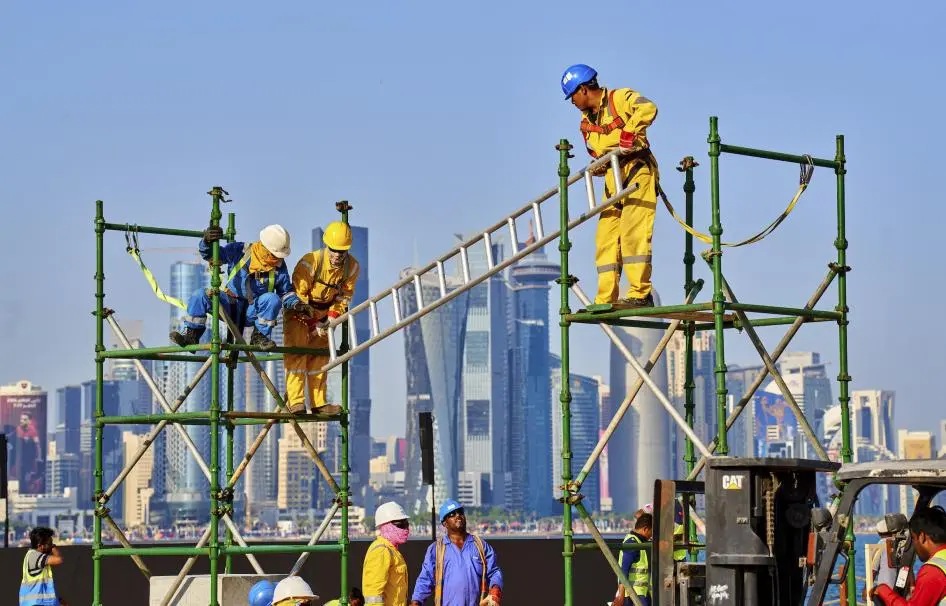
These shining cityscapes along the Gulf are a beacon for the ambitious. But in 2026, even neon lights turned sternly dark. What starts out as an employment promise with a legal work visa in a high-tech “smart city” might well end up as a digital nightmare based on debt bondage and stolen identity.
These are no longer just unscrupulous recruiters – they are the architects of a sophisticated global human trafficking machine that treats people as cargo.
Hidden pipeline — the exploitation system working in broad daylight that props up the grandest development projects of the Middle East.
Despite the magic treaties of 2025 that promised a new era of human rights for migrants, the reality on the ground has now simply swung into a darker, more perilous, tech-driven shadow market.
The trap is sprung long before the worker ever reaches the airport. In 2026 the primary weapon is the algorithm of vulnerability. Brokers have moved away from crude street-level recruitment, instead using unregulated social media algorithms to target individuals in financial distress across Southeast Asia and East Africa.
These ads are deceptively polished. They do not look like “labour” ads; instead, they masquerade as luxury hospitality or high-tech service opportunities. Generated by AI to sidestep international NGO red flags, these hyper-realistic job descriptions tout unrivalled benefits. Tech-savvy and desperate alike are baited into a contract they can never truly fulfil.
The Broking Shadow Market
Once a candidate is hooked, the financial machinery all starts in motion, and the paper trail effectively vanishes. To get around the 2025 anti-trafficking sanctions, brokers have moved to a mixed financial system:
Decentralised & Hawala Finance: Informal, trust-based money transfers combined with cryptocurrency settle brokers’ accounts invisibly against modern banking freeze-offs.
Kafala 2.0: the emergence of alternative arrangements that circumvent traditional kafala, like shell companies. They are temporary entities set up as legal “sponsors”, offering a veneer of legitimacy while real beneficiaries remain untraceable.
“The recruitment fee is no longer just the price of admission – it’s a lifelong chain. With the use of digital identity in our age, traffickers needn’t slap you into bondage (with iron bars). ” Nor can that debt ever be paid back.
A worker’s physical transfer from another location to a major Gulf hub is a profound psychological experience. Upon arrival, the previous “grooming” phase ends now. Workers have their biometrics and passports taken under the cover of “security processing” as often as already before leaving this terminal building.
By 2026: As physical barriers are replaced with digital geofencing, workers are forced into labour apps that monitor their every move from the moment they step out of bed and throughout the entire working day. In effect, these instruments turn plants for high-security labour camps (beyond all human imagination!) into invisible jails where escape is impossible. The worker’s data is in the hands of middlemen who “sold” them their fate.
The Accountability Gap
To farm this invisible workforce, which is vital for big state projects, local enforcement authorities often look the other way. The thick web has been very hard to pull apart at law because responsibility is intentionally divided. The relationship between the origin country and destination country as a “broker” and “client” respectively remains notorious Even with 2025 treaties, there is no unified enforcement mechanism that can be found responsible for those lives now caught up in this juggernaut.”
A GROWING OPPOSITION
Although the pipeline thrives on silence, cracks are beginning to open. Whistleblower networks deep underground use encrypted technology to document abuses and help workers exit the shadow economy.
For ourselves as people living in a global community, the first step is up to us. We must demand thorough transparency from brands and projects run in this area. If there is a “hidden reality”, it is only hidden because we have not been looking closely enough. It’s time to uproot the mechanisms of the pipeline before a cycle of digital and physical exploitation sets in for good.
Editor’s Note
Based on untapped data from 2026 about the development of the Kafala system and the incorporation of artificial intelligence into human trafficking. What’s more, while a number of Middle Eastern countries introduced groundbreaking labour reforms in late 2025, “independent brokers” Bulletin of the Atomic Scientists intermediaries and escaped perpetrators enjoy ties with simple data encryption devices and decentralised financial systems – emerging from this that are both legal and beyond state regulation. Bengali Roots will continue to expose the facts of migrant welfare throughout the world.


