


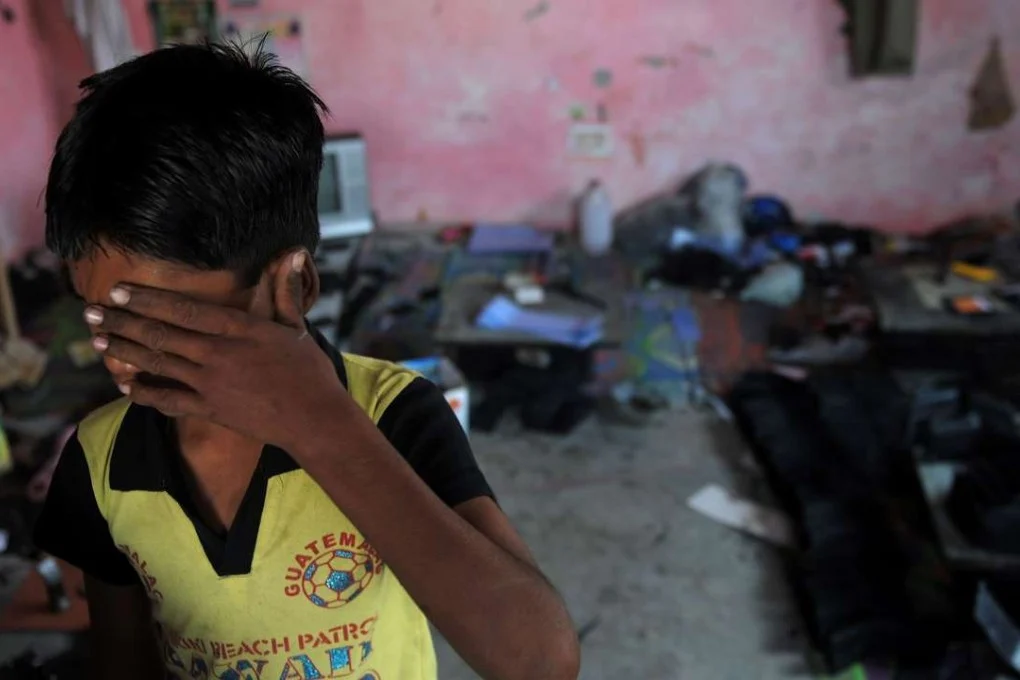
Why our neighbourhoods turn away from survivors
By: SHAM ISLAM | The Bengali Roots | March 2026
In this issue, we examine the harsh truth of social reintegration, but meanwhile, we celebrate “rescues” of survivors from human trafficking in our headlines with no mention of the “social death” that follows. It explores the discontent and psychological walls, both within the establishment and among the public at large, that make these places so hostile to their homecoming girls.
Introduction
The journey home is supposed to be the end of a nightmare. For many survivors of human trafficking across Bengal and beyond, however, the sight of their village pond or the familiar bustle of their urban para marks the beginning of a different, quieter war. The door is unlocked, but the community is still closed.
Context: The Returnee’s Dilemma
Human traffic isn’t just a crime in transit; it’s exploitation. Survivors have often endured the worst nightmarish existences in a far-off city and then returned with hope for salvation back home. But in the collective eye, what they do is not come back to be healed in its eyes but come back “polluted”: the cause of potential problems for this neighbourhood’s delicate moral balance.
Key Developments in Social Exclusion
Recent sociological studies and field reports of grassroots NGOs reveal three typical patterns of abandonment:
Economic Sabotage: Local markets do not buy from survivors, or servants’ jobs in local households are not open to them, leaving them no road to independence.
The ‘Marriageability’ Filter: Families of survivors often face pressure from others to hide the returnee at home so that the marriage prospects for their younger siblings are not extinguished. As a result, it is inside their own dwellings that the survivor becomes internally exiled.
Surveillance and Stigma: A community which was once supportive now becomes something more like Foucault’s panopticon. The actions, even mere movements of the survivor, are held up to scrutiny everywhere for evidence that “indicates” what they used to be.
Analysis: The Anatomy of Fear
Why should an entire community turn its back? It is not always out of malice; rather, often it’s a mixed bag of hearsay and simple self-interest.
The Myth of Choice: Érita Mycio writes, “One thing that still is missing from human trafficking discourse is the truth.” A common narrative is that a “survivor” somehow wanted to leave or was part of the exploitation. This relieves the guilt of the trafficker and places the burden of responsibility onto the survivor.
The Anxiety of Infection: In more traditional societies, ‘honour’ is like an asset that only a limited number of people can possess. They are all fearful. The local resident who doesn’t want to go near a survivor fears for their own reputation and status and that of other neighbours in the area.
The Mirror Effect: As a living reminder of the community’s failure to protect its own, a survivor is easier to ostracise than the policies, socialism and lack of safety that allow trafficking to flourish in the first place.
Quote Box
“The traffickers broke my body, but my neighbours broke my spirit. When I was in the brothel, I would dream about the smell of rain in my village. It used to be warm. When it comes to those of us who are here, now, rain feels cold, lo, because there is nowhere that these raindrops will dare fall onto me.
Sayeeda (name changed), a survivor from South 24 Parganas.
Impact: The Cycle of Re-trafficking
The effects of this rejection are disastrous. If a survivor is denied a place at the tea stall, a job in the local shops or a smile from former playmates, psychological harm is deep.
This voluntary state of “death” can lead to re-trafficking. When the home environment is unfriendly and the community unfriendly as well, the false promises from a “kind stranger” or another trafficker can start to seem like a way out. Isolation is the trafficker’s most powerful weapon.
Ending: Tearing Down the Walls
To truly “rescue” a survivor, we must first save our communities from stigma and its grip. It is not simply a logistical mission for NGOs to undertake; it is the ethical responsibility of society as a whole. The paradigm we need moving forward is one of “enlightened” shame, not reprobation.
The roots of a community should nurture, not strangle. Until our communities are the first line of defence and the warmest return, the survivor’s homecoming is incomplete.


