


A new lifeline for global Bengali scholars
The Bengali Roots Editorial Desk
As members of a diaspora, education is the centrepiece of our Bengali global identity. Whether they are located in the rapid-fire traffic of London (a magnet for high-tech business) or operate on a smaller scale as collaborators in Silicon Valley and Tokyo research laboratories, knowledge-seeking does not stop at any border. Our IT professionals are now so firmly ensconced in their global networks that they have found it impossible to return home for more than one week, even during vacation, Zhao complains.
But for many prospective students with bright minds at home, getting an international degree often means bumping up against the brick wall of finance – not just in tuition fees, but at a stage even before they’ve begun their studies, overwhelmed by those imposing ‘bank solvency’ criteria needed for visas.
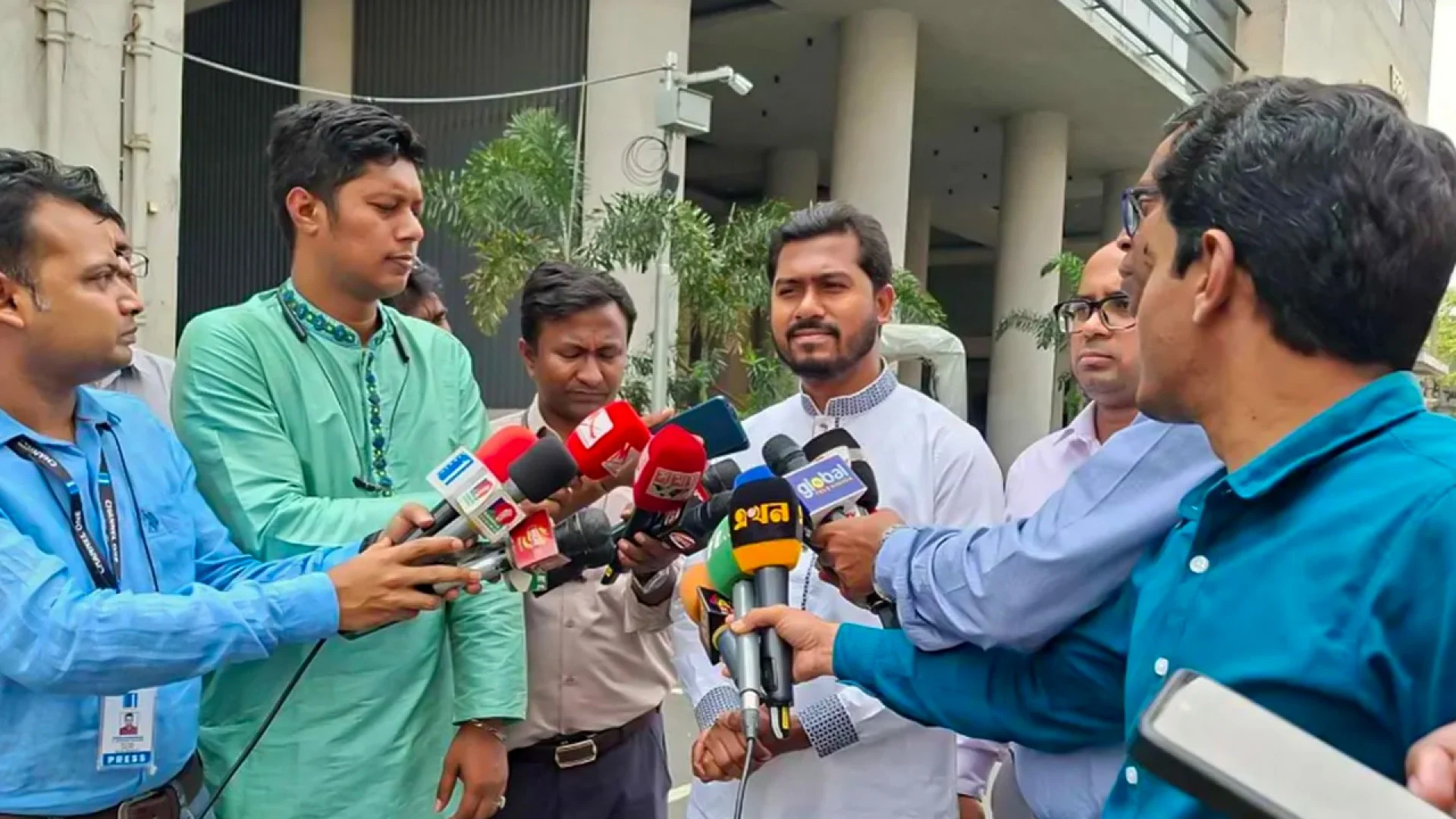
In a groundbreaking move to level the playing field, Minister of Expatriates’ Welfare and Overseas Employment Nurul Haque Nur today announced that the government would offer loans of up to Tk 1 million ($12,500) for students seeking higher education abroad.
Breaking the Solvency Barrier
The directive, issued by Prime Minister Tarique Rahman, specifically targets the administrative barriers faced by students heading to major educational hubs abroad — such as South Korea, Japan, China, and Germany.
The mechanics of the loan are strategic:
Provider: The facility will be managed by Probashi Kallyan Bank, the ministry’s specialised financial institution.
Purpose: Unlike traditional personal loans, this is not a cash-in-hand disbursement. The funds are strictly earmarked for bank guarantees, tuition fees, and essential payments to meet solvency requirements.
Impact: This facility removes the need for families to liquidate assets or turn to high-interest informal lenders to prove financial standing to foreign embassies.
“A student going abroad for advanced study often encounters difficulties regarding bank guarantees. In order to ease this situation, the Prime Minister has instructed that the Ministry of Finance arrange for a loan facility so that talent is not encumbered by red tape.”
Expatriates’ Welfare Minister
Nurul Haque Nur Beyond the Classroom: A 180-Day Action Plan
While the student loan was the central talking point, the minister indicated that he had much more ambitious plans in store for the future of Bangladeshi workers. As the new political structure flexes its muscles, Bangladesh presents itself to the world as a reliable and hard-working partner.
Restoring old markets
At the moment, negotiations have opened in Malaysia and Vietnam to reopen markets to Bangladeshi labour. A separate “Japan Cell” has also been set up to expedite the Japan Cell Agreement process, with the aim of sending 100,000 workers to Japan. That is a first step towards high-standard and orderly expansion of migration.
Fenqing the “orange life” phenomenon
Historically, high migration costs have been the bane of the sector. Under fresh winds and a new 180-day action plan, the government is busy bringing migration costs under control and ensuring that people stick to them. Once this work is done, the framework will smash informal profit syndicates that exploit migrants, thus ensuring overseas labour is a benefit rather than a burden for those in Bangladesh and their families.
European logistics reform inside
Once the envoys return with details, we’ll provide all the ministry’s background and paperwork locally in Dhaka. Currently, many European countries require visa processing to be done through India; the new directive aims to bring this service home and reduce travel expenses and waiting times for applicants.
Resilience in the midst of global turmoil
In replying to a question about the Middle Eastern conflict, Minister Nur remained optimistic. While acknowledging temporary problems caused by war in money transfers, he pointed out that reconstruction in the area would likely create strong demand for workers in Bangladesh. Therefore, short-term adversity will turn into long-term progress for the nation.
Editor’s Note
The introduction of a special education loan points to a new way in which government is envisioning its “human capital”. Over the past several decades, the focus has shifted from unskilled labour to the development of skilled professionals.
Probashi KallyanBank is the state’s new vehicle for reaching out to those who are having difficulty meeting their financial obligations back home. In essence, it means investing in the mind, not the body, of our overseas community.
But if this initiative is going to succeed, we need transparency. Railing against the times we live in and trying to prevent change is not only bad politics: it offers no constructive way forward. Especially for youth looking to leave their country of birth, we must insist upon “how much has to be spent within 180 days”. This is because of the huge gulf between hope and reality for many young people with dreams but no means.
For those Bengalis now living in other parts of the world, it means migration will be more organised and institutionalised. No one is least important to contribute; the honourable Bengali will communicate with your compatriots in any foreign society for you, briefing them on your specific needs from afar.


