


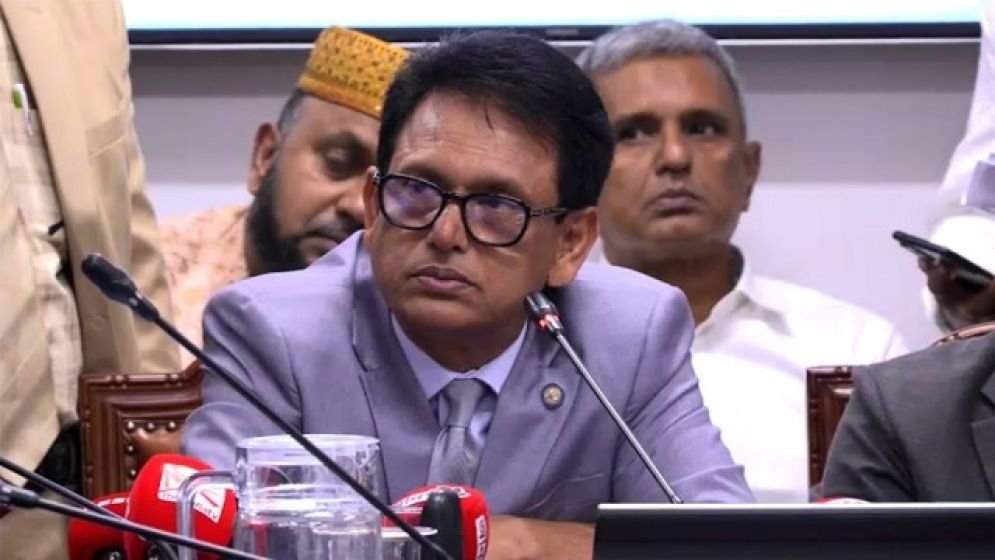
Dr Milon’s 180-day sprint to modernise Bengal’s future
The Bengali Roots Editorial Desk
For the global Bengali diaspora, the “roots” we cherish are often watered by the quality of education we leave behind for the next generation. This week, a significant shift echoed from the corridors of the Education Ministry in Dhaka. As the first rays of post-Eid productivity settled over the capital, Education and Primary and Mass Education Minister Dr ANM Ehsanul Hoque Milon unveiled a roadmap that is as ambitious as it is urgent: a 180-day priority programme designed to overhaul the educational landscape of Bangladesh.
This is not merely a policy update; it is an aggressive, time-bound sprint toward modernisation, inclusivity, and technical prowess, aligning with the broader vision of Prime Minister Tarique Rahman.
The July Legacy and Inclusive Growth
At the heart of this initiative is a profound gesture of national gratitude. Dr Milon has mandated free university-level education for the children of those martyred or injured during the “July Uprising”. By weaving the sacrifices of the past into the opportunities of the future, the ministry is signalling that the new Bangladesh will be built on a foundation of social justice.
Beyond this, the 180-day plan addresses the immediate physical needs of students. The ministry has committed to distributing free school uniforms and shoes (Keds) to over 200,000 students across every upazila within the next six months, with an ultimate goal of nationwide coverage for all primary-level learners.
Digitising the Chalkboard: “One Teacher, One Tab”
The administration is betting heavily on technology to bridge the rural-urban divide. The “One Teacher, One Tab” initiative aims to provide computer tablets to every teacher—across primary, technical, madrasah, and secondary levels—within a single year.
“We are moving toward a future where technical education is not an option but a standard. From multimedia classrooms to the introduction of a compulsory third language, our goal is to ensure every Bengali child is a global citizen.”
— Dr ANM Ehsanul Hoque Milon
A Multidimensional Approach to Excellence
The 180-day programme isn’t just about hardware; it’s about a holistic shift in the “software” of the education system—the students and teachers themselves. Key highlights include:
- Pedagogical Overhaul: Tackling the teacher-training backlog by introducing multi-shift training sessions, ensuring that even teachers over 50 in nationalised institutions are brought up to speed with modern methods.
- Intellectual Rigour: Making debate clubs mandatory in all institutions and introducing Upazila-level mathematics Olympiads to foster competitive excellence.
- Global Aspirations: Launching student loan facilities specifically for those pursuing higher education abroad, ensuring financial constraints don’t stifle the ambitions of our brightest minds.
- Cultural & Spiritual Integration: Formal recognition and respect for Hafiz’s, alongside the “One Child, One Tree” environmental initiative.
The Roadmap Ahead: 2026-2027
The meeting, attended by senior officials from the Secondary, Higher, Technical, and Madrasah Education Divisions, served as a blueprint for the 2026–2027 fiscal year. By integrating technical education for all and emphasising vocational readiness, the ministry is clearly attempting to align the workforce with the demands of the mid-21st century.
Editor’s Note
The 180-day deadline set by Dr Milon is a bold political and administrative gamble. For our readers in the NRB community, many of whom have seen the efficiency of global education systems, this move represents a long-awaited shift toward accountability and “mission-mode” governance. While the logistics of distributing tablets to every teacher and uniforms to millions are daunting, the focus on technical education and the “July Uprising” scholarship indicates a government trying to balance modernisation with historical soul. Success here will not just be measured in tablets distributed but in the narrowing of the gap between a village school in Bangladesh and the global standards our diaspora navigates daily.


