


The Trump Peace Plan and the Strait of Hormuz
By The Bengali Roots Editorial Desk | March 25, 2026
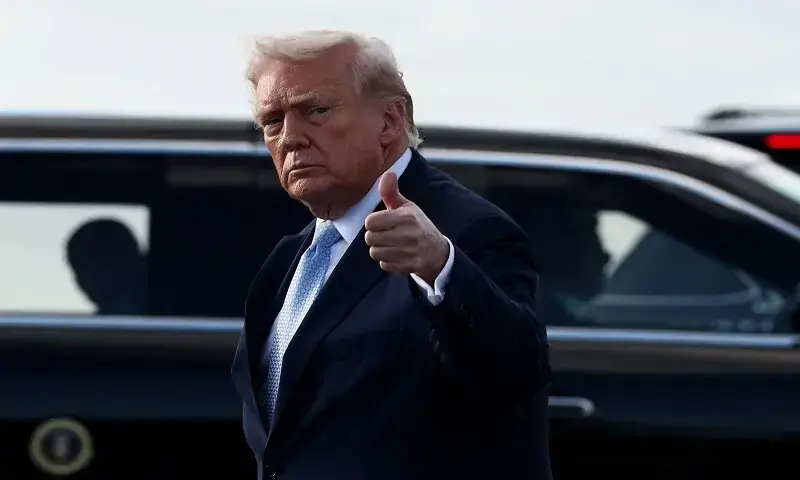
For the millions of Bengalis residing in the Gulf, from the high-rises of Dubai to the refineries of Kuwait, the horizon has been flickering with the orange glow of intercepted missiles for nearly a month. As the “gateway of oil” faced a suffocating blockade, the global diaspora held its breath, watching energy prices soar and regional stability crumble. However, this Tuesday, a glimmer of diplomatic theatre emerged from the Oval Office. President Donald Trump, in a characteristic pivot from “obliteration” rhetoric to deal-making, announced the dispatch of a 15-point peace plan to Tehran.
The “Big Present” and the Opening of the Strait
The most immediate relief for global markets came not from a signed treaty, but from a tactical concession. Tehran, via the International Maritime Organisation (IMO), announced it would permit “non-hostile” oil vessels to transit the Strait of Hormuz. This narrow waterway, which carries one-fifth of the world’s oil, had become a graveyard of insurance policies and a primary driver of the 6% spike in global crude prices earlier this month.
Trump described the development as a “very big present”, suggesting that back-channel negotiations, reportedly mediated by Islamabad, are finally gaining traction. For the NRB community, particularly those in energy-dependent sectors or those managing the logistics of global trade, this opening is more than a diplomatic win; it is a vital lifeline.
The Insight Box
“They gave us a present… and the present arrived today. It was a very big present worth a tremendous amount of money. That meant one thing to me: we’re dealing with the right people.”
A High-Stakes Nuclear Gamble
The reported 15-point plan represents a return to “maximum pressure” with a side of “maximum incentive”. While Israel’s Channel 12 suggests the proposal includes a one-month ceasefire, the core demands remain uncompromising:
- Zero Enrichment: Iran must hand over its enriched uranium and cease all further enrichment activities.
- Economic Restoration: In exchange, a total lifting of sanctions and US assistance in developing civil nuclear energy at the Bushehr plant.
- Security Guarantees: Ensuring the permanent safe passage of vessels through the Strait.
However, the reality on the ground remains jagged. Even as the plan was being discussed, reports surfaced of an Iranian missile strike in Tel Aviv and a secondary Israeli strike near the Bushehr nuclear facility. The paradox of the Trump administration’s approach is visible in the deployment of 3,000 soldiers from the 82nd Airborne Division to the region—a clear signal that while a “peace plan” is on the table, the “war plan” remains fully loaded.
Implications for the Global Bengali Diaspora
The conflict has hit home for the Bengali community in ways both economic and personal.
- Remittance and Stability: The GCC (Gulf Cooperation Council) countries host the largest concentration of Bengalis outside the subcontinent. Any threat to Gulf infrastructure—like the drone strikes recently intercepted by Bahrain and Kuwait—directly threatens the livelihoods and safety of our community.
- Energy Inflation: In Bangladesh and West Bengal, the surge in oil prices has already begun to trickle down into the cost of essential goods, stressing the “price-sensitive” markets that many NRBs support through remittances.
- The Pakistan Factor: With Prime Minister Shehbaz Sharif offering Islamabad as a neutral ground for talks, the South Asian geopolitical footprint in this Middle Eastern crisis has never been more prominent.
Editor’s Note
The current de-escalation efforts, while welcome, must be viewed through a lens of cautious realism. The “peace plan” described by President Trump is less a settled agreement and more a high-stakes opening gambit in a conflict that has already claimed thousands of lives and displaced over a million people in Lebanon alone. For the Non-Resident Bengali community, the priority remains the safety of our brothers and sisters in the Gulf and the stability of the maritime routes that sustain our global economy. As mediators in Islamabad and Istanbul work the phones, we must hope that “non-hostile” transit becomes the norm rather than a temporary “present” in a volatile war of nerves.


