


Remembering the 1971 Genocide
The Bengali Roots Editorial Desk
The night of March 25th, 1971, was one of those long, sleepless nights that changed everything for millions in our world forever – a nightmare when, from what should have been a dreamless evening, thunder cracked down like doom itself. And in the capital Dhaka, which seemed to be awaiting something very bad happening, this unhappy time of our history had every reason for becoming as short as possible.
March 25, 2021: As the “Bengali Roots” community from every corner of the world comes together, we must solemnly remember those who paid a heavier price in that dark time.
But this date is also more than anything else – it is a part of the scars left on our collective identity, which now fuels our independent courage.
Bangladesh: A Nation Mourns and Reflects
All over Bangladesh today, the weight of history is palpable. President Mohammed Shahabuddin and Prime Minister Tarique Rahman have issued statements that echo the same theme: We must never forget. Today’s state-sponsored programmes aim not simply to remember but also to tell youth that the green and red flags came at a high human cost.
The symbolic blackout: At 10:30 PM tonight, the whole nation will plunge into darkness for one minute, symbolising mournful silence. It is a chilling reminder of the darkness half a century ago, which began under the cover of night.
Voices of Valour: Schools and colleges are hosting seminars featuring brave freedom fighters. In the NRB community, these stores are still the indispensable link by which our children stay connected with their ancestral roots.
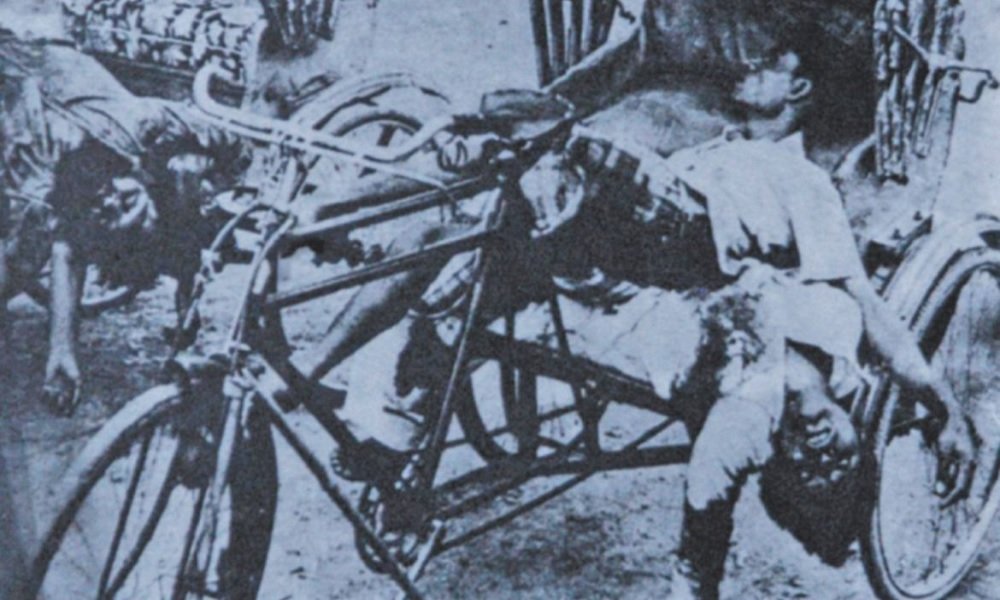
Visual History: From Dhaka to remote city corporations, special photographic exhibits and film showings are opening up to public gaze the horrific evidence of genocide so that this crime will not be erased from memory.
“The 25th of March is heavier with grief than any other day in our history – that is the night where Bangalee strength was tested by sheer atrocity. Our remembering today is an act of resistance against a people who would wipe out their own history.”
Global Roots, Local Memory
For the millions of expatriate Bengalis, Genocide Day is a time of deep introspection. The physical gatherings may occur in the delta, but the emotions transcend all geographic restrictions and travel, vibrating through diaspora communities. And we cannot forget the global chorus that this corporation will come to know as today’s special prayers (Munajat) throughout the world’s mosques and temples: peace for the three million martyrs.
The main points to note:
One minute’s silence: 10:30 PM – 10:31 PM (excluding emergency installations).
No adornments: In respectful observance, all festive lighting is forbidden throughout the nation tonight.
Educational focus: Along with the material contribution of the West Pakistan army, “CONOCE MI HISTORIA” so that historical distortion may be reversed at academic institutions.
Editor’s Note
In the words of The Bengali Roots’ editor, the observance of Genocide Day is a stammering reminder that everyone’s freedom today was paid for at a price never before felt. To the readers of The Bengali Roots, this day has two meanings. First, it reminds us of the international community’s responsibilities to the 1971 genocide. As global citizens, we all have an obligation.
The “Preference of Darkness” failed to destroy a movement, but it ushered in a firestorm that culminated in Bangladesh’s birth. It is by keeping in mind the darkness of 25 March that we ensure our torch of independence never fades. We owe our heroes an accurate, even unapologetic, presentation of their past to the world.


