


Iraq’s Perilous Tightrope Walk in a Region Afire
By Special Correspondent, BENGALI ROOTS DESK
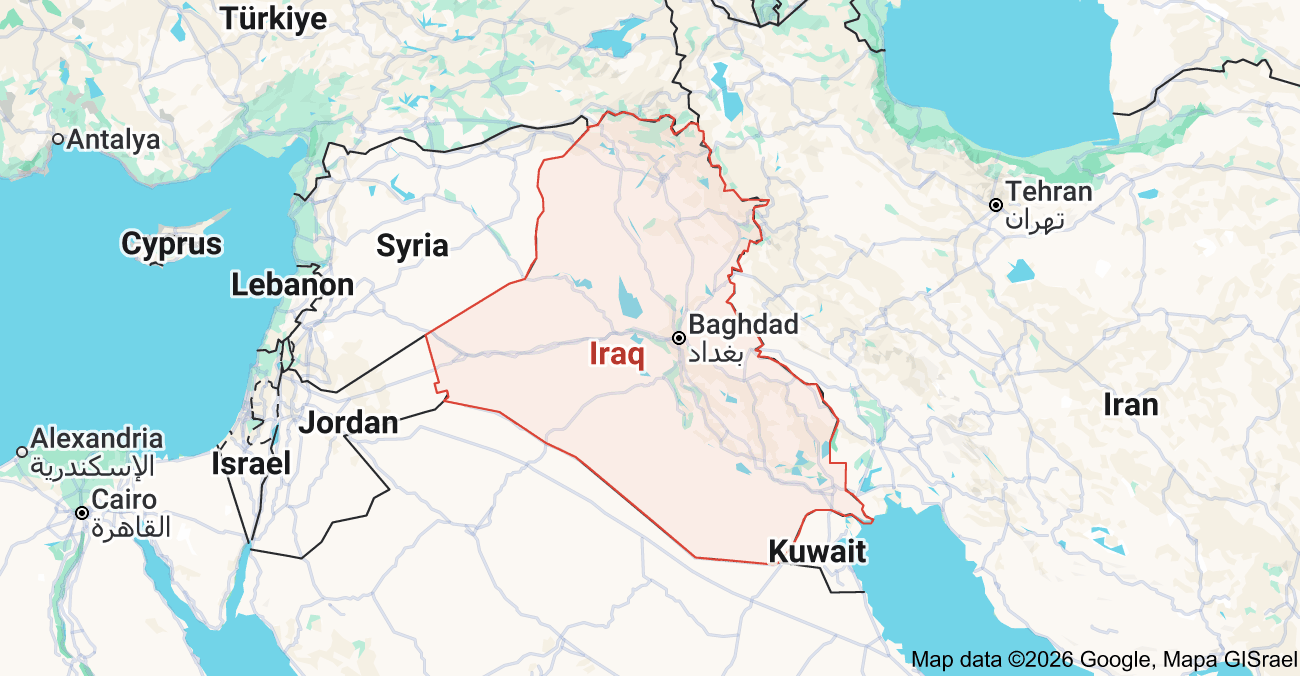
For decades, Iraq has been described as the “beating heart” of Middle East geopolitics. Today, that heart is racing under the pressure of a crossfire it did not choose. Following the cataclysmic events of February 28, which saw the conflict between Israel, the United States, and Iran reach a boiling point, Baghdad has once again found itself transformed into a grim proxy theatre.
The latest developments, a series of deadly strikes on Iraqi soil blamed on both Washington and Tehran, have pushed the Iraqi government to a diplomatic and military breaking point. On Tuesday, in an unprecedented move of dual indignation, Baghdad announced it would summon both the U.S. Charge d’Affaires and the Iranian Ambassador to deliver formal notes of protest.
A Nation Between Two Fires
The casualties of this shadow war are mounting. In the western province of Anbar, a precision strike killed a top commander and 14 fighters of the Hashed al-Shaabi (Popular Mobilisation Forces). The PMF, an integral part of Iraq’s regular armed forces, has pointed the finger squarely at the United States, labelling the incident a “treacherous American attack.”
Simultaneously, the autonomous Kurdistan region in the north—traditionally a bastion of relative stability—has been dragged into the fray. Six Peshmerga fighters were killed in a ballistic missile attack that Kurdish authorities have attributed to Iran. This marks a significant escalation, as it represents the first deadly strike on Kurdish security forces by the Islamic Republic since the current regional war began.
The Right to Respond: A Dangerous Precedent?
Perhaps the most startling shift in Baghdad’s stance is the Prime Minister’s recent decree granting former paramilitary groups within the official armed forces the “right to respond” to drone and aircraft attacks targeting their headquarters.
While the ruling Coordination Framework—a coalition of Shia parties—insists that the state retains the “exclusive right over decisions of war,” the authorisation of a “response” by paramilitary units creates a volatile environment. It blurs the line between state-sanctioned defence and militia-led escalation, threatening to pull Iraq deeper into the very regional vortex it seeks to avoid.
“Iraq must maintain balanced relations both internationally and regionally to prevent the nation from being drawn into areas of internal and external conflict that threaten our hard-won sovereignty.”
— Official Statement, Iraqi Foreign Ministry
The Shadows Over Baghdad
As the sun set over Baghdad this past Tuesday, the roar of fighter jets echoed through the clouds, a chilling reminder of the country’s vulnerability. From the Mosul offices of the PMF to the rugged terrain of Iraqi Kurdistan, no corner of the nation seems immune to the reach of foreign missiles.
Iraq’s struggle is a microcosm of the challenges facing many nations in the Global South: how to maintain sovereignty when global powers choose your soil as their battlefield. For the millions of Iraqis—and the global diaspora watching from afar—the fear is that the “right to respond” may soon become an invitation to a war that has no end in sight.
Editor’s Note
The escalating tensions in Iraq serve as a sombre reminder of the fragility of peace in an interconnected world. For the readers of The Bengali Roots, many of whom reside in nations that prioritise diplomatic neutrality, the situation in Baghdad underscores the vital importance of “Strategic Autonomy.”
As Bengalis, a people who have historically understood the cost of liberation and the value of sovereign dignity, we must look at the Iraqi crisis not just as a distant conflict, but as a cautionary tale. When a nation becomes a proxy battleground, it is the infrastructure, the culture, and the common citizen who pay the highest price. We hope for a resolution where Baghdad is respected not as a corridor for foreign interests, but as a sovereign entity capable of charting its own destiny.


