


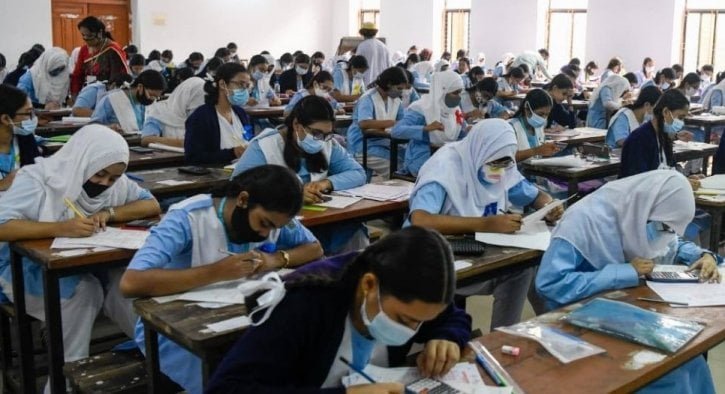
The 2026 Secondary School Certificate (SSC) examination in Bangladesh has once again become more than just a national academic event. While millions of students sat for one of the most important exams of their lives, the public conversation quickly moved beyond classrooms and exam halls into the digital sphere. Social media platforms became flooded with reactions, satire, criticism, and debate—many of them centered on the country’s education minister, ANM Ehsanul Hoque Milon.
This year’s SSC examination highlighted not only the scale and importance of public examinations in Bangladesh but also the growing power of social media in shaping narratives, influencing public perception, and even challenging official statements. The intersection of education, governance, and online culture turned the SSC exam into a national phenomenon that reflected deeper social and political dynamics.
The SSC Examination: A Massive National Event
The SSC examination is one of the largest public exams in Bangladesh, taken by students at the end of their secondary education. In 2026, the exam began in April under 11 education boards, with approximately 1.85 million candidates participating across thousands of centers nationwide.
The scale of the examination alone makes it a logistical challenge. Authorities must coordinate exam schedules, ensure security, prevent cheating, and maintain fairness across diverse regions. This year, the government emphasized strict monitoring systems, including CCTV surveillance and digital tracking, to ensure transparency.
According to the education minister, the exams started smoothly, with no major incidents or credible reports of malpractice. Authorities claimed that monitoring systems were functioning effectively and that the environment remained stable and controlled.
However, as in previous years, the issue of question paper leaks quickly emerged—this time driven largely by rumors circulating online.
The Rumor Crisis: Question Leaks and Digital Panic
Within days of the exams beginning, social media platforms such as Facebook and Telegram were flooded with claims that SSC question papers had been leaked. These claims spread rapidly, often accompanied by screenshots, speculative posts, and unverified “predictions.”
The Ministry of Education responded swiftly, dismissing these allegations as “completely false, baseless and motivated.”
Authorities clarified that no untoward incidents had been reported from any examination center and that the rumors surfaced only after exams had already been completed—suggesting they were fabricated to create panic.
Law enforcement agencies also took action. At least four individuals were arrested for allegedly spreading fake question leak claims and attempting to defraud students and parents through social media.
Despite these efforts, the rumors continued to circulate, highlighting the difficulty of controlling misinformation in the digital age.
The Minister’s Response: Strong Words Against Misinformation
In response to the growing online panic, Education Minister ANM Ehsanul Hoque Milon took a firm stance.
He warned that strict action would be taken against those spreading rumors about question leaks. He emphasized that misinformation was not only harmful but also embarrassing for the government and stressful for students and parents.
The minister urged the public to ignore unverified posts and rely on official information. He also criticized sections of the media for publishing reports based on social media content without proper verification.
In a widely quoted remark, he compared social media to “instant coffee,” suggesting that it encourages rapid, unverified commentary that can easily mislead the public.
His message was clear: misinformation must be controlled, and responsible communication is essential during national examinations.
Social Media Reactions: Satire, Criticism, and Viral Trends
While the government attempted to control the narrative, social media users responded in their own way—often through humor and satire.
Viral Videos and Student Reactions
Videos began circulating on platforms like YouTube, Facebook, and Instagram showing SSC students reacting to the minister’s statements. In some clips, students were seen humorously imitating his speeches, while others expressed frustration over exam pressure and strict monitoring.
In one widely shared video, a student recited a playful rhyme about the education minister, blending humor with subtle criticism.
Another video featured students saying that the minister’s warnings had made them feel “overly frightened,” reflecting a perception that the government’s tone was too harsh.
These videos quickly went viral, attracting thousands of views and comments.


