


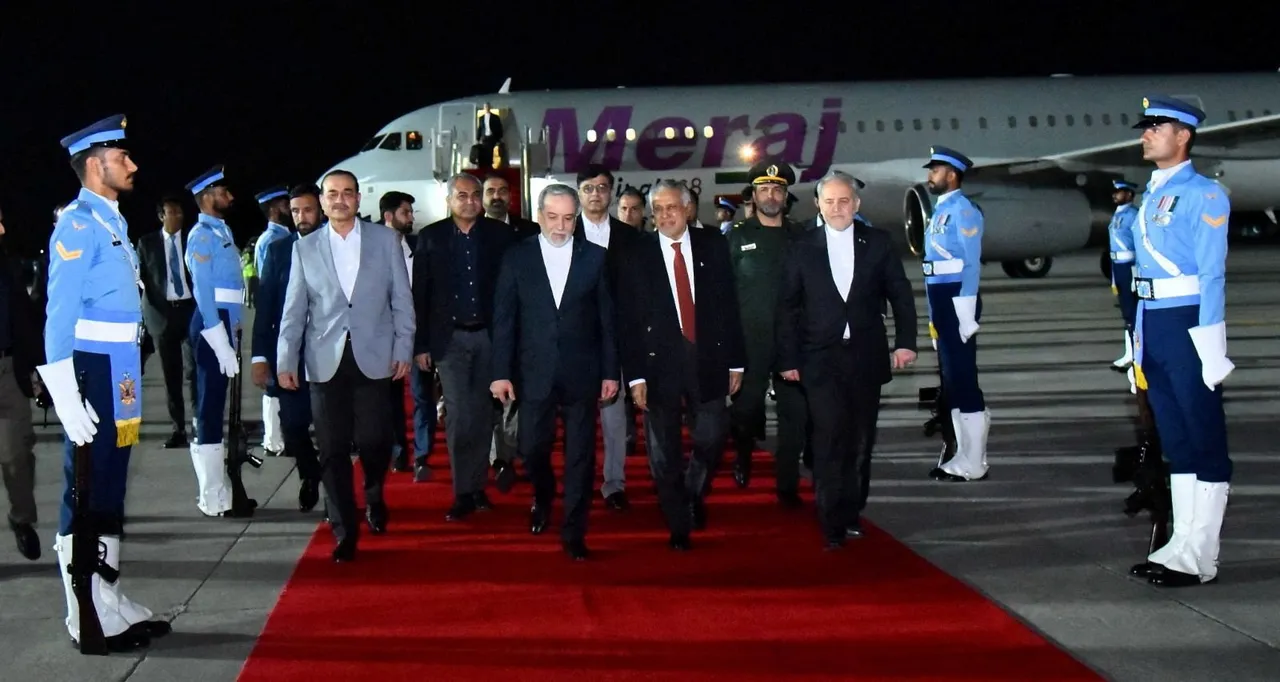
The latest situation surrounding discussions between the United States and Iran, with Pakistan acting as a mediator, reflects a complex and fragile diplomatic process shaped by deep political mistrust, military tensions, and competing strategic interests. What initially began as a cautious effort to de-escalate a rapidly intensifying conflict has, in recent weeks, evolved into a stalled and uncertain negotiation process. Despite multiple rounds of engagement and continued backchannel communication, there has been no significant breakthrough, and the overall trajectory of the talks remains unclear, with the risk of renewed escalation still present.
The diplomatic initiative in Pakistan emerged against the backdrop of a broader conflict involving the United States and Iran, which escalated sharply following military strikes and retaliatory actions in early 2026. The resulting instability, particularly around the strategically vital Strait of Hormuz, has had global consequences, disrupting energy supplies and driving oil prices upward. Within this context, Pakistan stepped forward as a neutral intermediary, offering Islamabad as a venue for dialogue and attempting to bridge the widening gap between Washington and Tehran. This mediation effort was widely seen as an important attempt to prevent further escalation and encourage both sides to move toward a negotiated settlement.
The first major round of talks took place in Islamabad in April 2026, involving high-level delegations from both countries. The United States was represented by senior officials, while Iran also sent a negotiating team under carefully defined conditions. These discussions were held under strict security and intense international attention, reflecting the seriousness of the situation. However, despite extensive deliberations, the talks ended without any formal agreement. The lack of progress highlighted the depth of disagreement between the two sides, particularly on issues related to Iran’s nuclear program, economic sanctions, and regional military activities.
One of the most significant obstacles to progress has been the fundamental difference in negotiating positions. The United States has insisted that Iran must fully abandon its nuclear ambitions as a precondition for any broader agreement, while Iran has demanded the lifting of sanctions and an end to military pressure before engaging in substantive negotiations. These opposing demands have created a stalemate, with neither side willing to make the first move toward compromise. As a result, the talks in Pakistan have largely focused on maintaining communication rather than achieving immediate results.
Following the inconclusive outcome of the initial discussions, Pakistan continued its diplomatic efforts by facilitating backchannel communication and exploring the possibility of additional rounds of talks. Pakistani officials emphasized that trust and confidentiality are essential elements in such sensitive negotiations, indicating that discussions were ongoing behind closed doors. However, the absence of a clear schedule for further meetings highlighted the uncertainty surrounding the process. While both sides have expressed a willingness to continue dialogue in principle, practical arrangements for renewed talks remain unresolved.
Complicating the situation further, Iran has shown reluctance to participate in additional rounds of discussions in Pakistan, citing concerns about alleged violations of ceasefire conditions by the United States. This development has raised doubts about the effectiveness of Pakistan’s mediation efforts, as it suggests that Iran’s confidence in the process has been weakened. At the same time, the United States has continued to apply pressure through economic sanctions and military readiness, aiming to compel Iran to negotiate on its terms. This combination of pressure and mistrust has made meaningful progress increasingly difficult.
Despite these challenges, attempts to revive the negotiation process have continued. United States envoys have traveled to Islamabad in recent weeks in an effort to restart discussions, although the prospects for direct engagement remain uncertain. Reports suggest that while the United States is open to face-to-face talks, Iran prefers indirect communication, often relying on intermediaries such as Pakistan to convey messages. This indirect approach reflects the cautious stance of both sides, as neither is willing to fully commit to direct negotiations without prior assurances, further slowing the pace of progress.
Pakistan’s role in this process has been both significant and demanding. As a mediator, it has sought to maintain balanced relations with both the United States and Iran, positioning itself as a neutral facilitator of dialogue. Pakistani leadership has repeatedly emphasized the importance of diplomacy in resolving the conflict, warning that continued tensions could have serious regional and global consequences. At the same time, the mediation effort has placed Pakistan under considerable economic and political strain. The ongoing conflict has contributed to rising global oil prices, increasing the financial burden on Pakistan due to higher energy import costs.
The broader geopolitical context has further complicated the situation. The tensions between the United States and Iran are closely linked to regional dynamics involving other Middle Eastern countries and global powers. Disruptions to key shipping routes and the threat of further military escalation have heightened concerns about global security and economic stability. These factors have added urgency to the need for a negotiated settlement, while simultaneously making compromise more difficult, as each side seeks to protect its strategic interests.
Another critical aspect of the current situation is the fragile ceasefire that has intermittently held between the United States and Iran. While this ceasefire has helped prevent full-scale conflict, it remains unstable and vulnerable to sudden breakdowns. Both sides have accused each other of violations, further eroding trust and complicating negotiations. The continued military preparedness of both countries, including discussions about possible new strikes, has contributed to an atmosphere of uncertainty and tension.
At the same time, the economic and humanitarian consequences of the conflict continue to expand. Rising oil prices have affected economies worldwide, while countries in the region have experienced even greater challenges. Pakistan, which depends heavily on imported energy, has faced increasing financial pressure, highlighting the broader impact of the US–Iran confrontation. These economic realities have reinforced the urgency of finding a diplomatic solution, even as negotiations remain stalled.
In conclusion, the latest situation of US–Iran discussions in Pakistan reflects a complex and evolving diplomatic landscape marked by cautious engagement, persistent disagreement, and uncertain outcomes. While Pakistan’s mediation efforts have provided an important platform for dialogue, the negotiations have yet to produce any concrete agreement. Deep-rooted mistrust, conflicting demands, and ongoing military tensions continue to hinder progress, leaving the future of the talks uncertain. As both regional and global stakes remain high, the success of any future negotiations will depend on the willingness of both sides to move beyond rigid positions and engage in meaningful compromise. Until then, the situation remains fragile, with diplomacy continuing alongside the risk of further escalation.


