


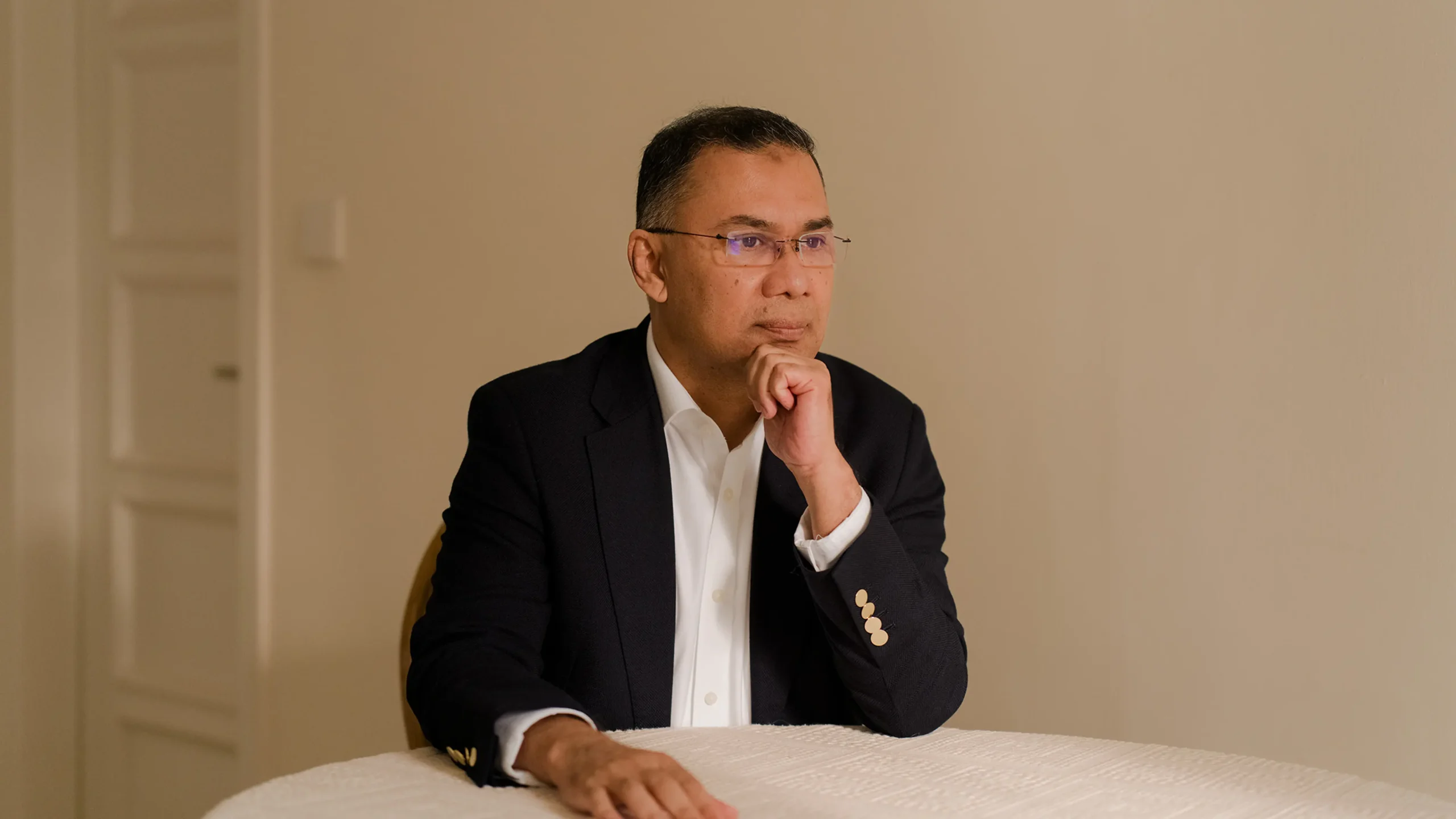
The inclusion of Tarique Rahman in Time Magazine’s list of the 100 Most Influential People of 2026 marks a defining moment not only in his political career but also in Bangladesh’s evolving global image. The announcement, made in mid-April 2026, quickly became one of the most discussed events in the country, sparking pride, debate, and reflection across political and social spheres.
This recognition is more than a ceremonial accolade. It reflects a dramatic transformation—from years in exile and political controversy to becoming one of the most consequential leaders in South Asia. The event encapsulates a broader narrative of political upheaval, democratic transition, and the reconfiguration of leadership in Bangladesh.
The Announcement: A Global Spotlight on Bangladesh
The 2026 TIME100 list, published by the New York–based magazine, featured world leaders, innovators, and cultural icons who have shaped global events over the past year. Among them were figures such as Donald Trump, Keir Starmer, and Zohran Mamdani.
In this prestigious lineup, Tarique Rahman was included under the “Leaders” category, signaling his emergence as a figure of international importance.
For Bangladesh, the moment carried symbolic weight. It was not just about an individual’s recognition—it was about the country’s political transformation being acknowledged on a global platform.
A Dramatic Rise: From Exile to Power
What makes this recognition particularly striking is the trajectory that led to it. Just a few years earlier, Tarique Rahman was living in exile in London, removed from direct political participation for nearly 17 years.
His return to Bangladesh came in the aftermath of the 2024 mass uprising, a student-led movement that resulted in the fall of the long-standing government. This political upheaval created space for a new leadership dynamic, and Rahman emerged as a central figure in that transition.
TIME’s profile captured this dramatic shift, describing how he moved “from opposition agitator to national leader,” ultimately winning a landslide election in early 2026.
This narrative—of exile, return, and political ascendance—was a key factor behind his inclusion in the list. It positioned him not merely as a national leader, but as a symbol of political change in a volatile region.
Recognition of Leadership and Democratic Transition
According to reports, TIME highlighted Rahman’s leadership, courage, and role in what has been described as the restoration of democratic processes in Bangladesh.
Supporters within the government framed the recognition as a validation of Bangladesh’s democratic aspirations. Officials described it as a “matter of pride” for the nation and its people, emphasizing that it reflected global acknowledgment of the country’s political transformation.
This framing is significant. It suggests that the recognition is being used not only as a personal achievement but also as a narrative tool to reinforce the legitimacy of the current political order.
The Domestic Reaction: Pride, Politics, and Polarization
Inside Bangladesh, the response to the announcement was immediate and multifaceted.
National Pride
For many citizens, the inclusion of a Bangladeshi leader in the TIME100 list was a moment of pride. It placed Bangladesh on a global stage and highlighted its political developments to an international audience.
Political Messaging
Government officials and supporters emphasized the recognition as evidence of visionary leadership and international credibility.
Critical Voices
However, not all reactions were celebratory. Critics pointed out that Rahman’s political career has been marked by controversy, including past allegations of corruption and authoritarian tendencies.
This duality—admiration and skepticism—reflects the deeply polarized nature of Bangladeshi politics. The TIME recognition, rather than resolving these divisions, has in many ways amplified them.
The TIME Profile: A Complex Portrait
TIME Magazine’s feature on Tarique Rahman did not present a one-dimensional narrative. Instead, it offered a nuanced portrayal that acknowledged both his achievements and controversies.
A Reformist Vision
Rahman has positioned himself as a reform-oriented leader, advocating for infrastructure development, economic growth, and institutional reform.
Political Baggage
At the same time, the magazine noted his past, including allegations and criticisms that continue to shape public perception.
A Nation in Transition
The profile also placed his leadership within the broader context of Bangladesh’s challenges—economic pressures, youth unemployment, and shifting geopolitical relationships.
This balanced approach underscores why his inclusion is significant: it is not simply a celebration, but an acknowledgment of his influence in a complex and evolving political landscape.
Symbolism: Beyond Individual Recognition
The significance of this event extends beyond Tarique Rahman himself. It symbolizes several broader themes:
- Bangladesh’s Global Visibility
Being featured in the TIME100 list brings international attention to Bangladesh’s political developments, positioning the country as an important player in regional and global affairs.
- The Power of Political Narratives
Rahman’s journey—from exile to leadership—resonates with global audiences as a story of resilience and transformation.
- The Role of Media in Shaping Influence
TIME’s list is not just a reflection of influence—it also helps shape it. Inclusion in the list can enhance a leader’s global standing and diplomatic leverage.
Challenges Ahead
While the recognition is significant, it also comes with heightened expectations.
Delivering on Promises
Rahman’s leadership will be judged not only by symbolic achievements but by tangible outcomes—economic growth, governance reforms, and social stability.
Managing Political Divisions
Bangladesh remains politically polarized, and bridging these divisions will be a critical challenge.
International Relations
As a globally recognized leader, Rahman will need to navigate complex relationships with major powers and regional neighbors.
A Moment in History
The featuring of Tarique Rahman in TIME Magazine’s 100 Most Influential People of 2026 will likely be remembered as a milestone in Bangladesh’s political history.
It captures a moment when the country is redefining itself—moving from a period of political unrest toward a new phase of leadership and governance. Whether this transition will lead to lasting stability and progress remains to be seen.
Conclusion: Recognition and Responsibility
The inclusion of Tarique Rahman in Time Magazine’s TIME100 list is both an honor and a test.
It recognizes his influence at a critical juncture in Bangladesh’s history. At the same time, it places him under global scrutiny, where his actions will be closely watched.
Ultimately, the significance of this event lies not just in the recognition itself, but in what follows. If Rahman can translate this moment of global acknowledgment into meaningful progress for Bangladesh, his inclusion in the TIME100 list may be remembered not just as a milestone—but as the beginning of a transformative era.


