


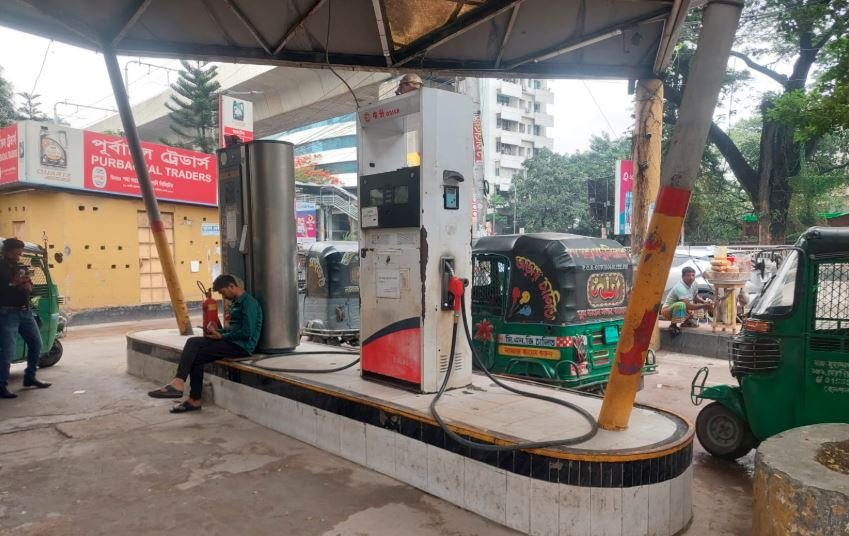
The easing of Bangladesh’s recent fuel crisis—and the visible disappearance of long, serpentine queues at petrol pumps—marks a striking transition from chaos to cautious stability. Only weeks ago, the country’s urban landscape, particularly in Dhaka, was defined by scenes of desperation: motorcyclists idling for hours under the sun, private car owners queuing from dawn, and heated arguments erupting at filling stations that had run dry. Today, that same landscape is beginning to reflect something very different—movement, availability, and a fragile sense of relief.
To understand the significance of this shift, one must first revisit the intensity of the crisis itself. In March and April 2026, Bangladesh faced one of its most severe fuel disruptions in recent memory. The crisis was driven by a combination of global and domestic factors. The ongoing geopolitical tensions in the Middle East—particularly disruptions linked to the Iran conflict—sent shockwaves through global oil markets, causing supply uncertainties and steep price increases. Bangladesh, which depends heavily on imported fuel, found itself particularly vulnerable.
As global supply chains faltered, panic began to spread domestically. Rumours of shortages triggered widespread hoarding and panic buying, leading to a sudden surge in demand that overwhelmed the country’s distribution system. Filling stations struggled to cope, and rationing became commonplace. Motorists were often limited to small quantities of fuel, while others were turned away entirely after waiting for hours. In some cases, people reportedly queued for as long as 10 to 15 hours, only to receive a fraction of what they needed.
These queues became more than just a logistical inconvenience—they symbolised a deeper economic and social strain. Ride-sharing drivers, delivery workers, and small businessmen saw their livelihoods disrupted as hours spent in queues translated directly into lost income. Farmers in rural areas struggled to secure diesel for irrigation, threatening agricultural productivity. The crisis rippled across sectors, amplifying inflationary pressures and adding to the cost of living.
Yet, within this disruption lay the seeds of eventual stabilisation. The government and energy authorities began taking a series of corrective measures aimed at restoring balance between supply and demand. One of the most immediate steps was the adjustment of fuel prices. In mid-April, the government raised fuel prices significantly—diesel, petrol, and octane all saw sharp increases. While this move was unpopular, it played a crucial role in dampening excessive demand and curbing panic buying.
At the same time, efforts were intensified to boost supply. The Bangladesh Petroleum Corporation increased imports, secured additional shipments, and improved distribution logistics from depots to filling stations. Daily allocations to pumps were raised, ensuring that more fuel reached retail points. According to officials, these enhanced dispatches and better coordination began to have a tangible impact within days.
The result has been a gradual but noticeable easing of the crisis. Reports from across Dhaka indicate that queues at petrol pumps have shortened significantly, with some stations now operating without any waiting lines at all. Where once vehicles stretched across blocks, today cars and motorcycles are able to refuel and leave within minutes.
This transformation is not merely anecdotal—it reflects a broader stabilisation of the fuel supply system. Increased availability has reduced the urgency that once drove panic buying. As consumers regain confidence that fuel will be accessible when needed, the incentive to hoard has diminished. In economic terms, the market is moving back toward equilibrium.
However, this easing of queues does not necessarily mean that the crisis has been fully resolved. In many ways, the nature of the challenge has shifted rather than disappeared. While the shortage of fuel may be less visible, the high cost of fuel remains a significant burden. For many consumers, particularly those in low- and middle-income groups, the price hike has introduced a new kind of hardship.
For instance, ride-sharing drivers who once struggled with long waits are now grappling with reduced profit margins. Fuel expenses have risen sharply, but fares and earnings have not increased proportionately. As one driver described, the crisis has evolved from a “time problem” into a “cost problem”—a shift that underscores the complex trade-offs involved in managing such a situation.
Moreover, questions remain about the sustainability of the current stability. Bangladesh’s heavy reliance on imported fuel means that it is still exposed to global market volatility. Any further disruptions—whether due to geopolitical tensions, supply chain issues, or price fluctuations—could once again strain the system. Energy officials have acknowledged that maintaining adequate stock levels and ensuring timely procurement will be critical in the coming months.
There are also structural challenges to consider. The crisis has highlighted weaknesses in the country’s energy infrastructure, including limitations in storage capacity, distribution efficiency, and supply diversification. Addressing these issues will require long-term investments and policy reforms, including exploring alternative energy sources and reducing dependence on imported fossil fuels.
Despite these concerns, the current easing of the fuel situation offers an important moment of respite. It demonstrates that coordinated policy measures—such as price adjustments, supply augmentation, and demand management—can effectively stabilise even a severely disrupted market. It also highlights the resilience of both the system and the people who depend on it.
For ordinary citizens, the disappearance of long queues at petrol pumps is more than just a logistical improvement—it is a psychological relief. It signals a return to normalcy, however tentative, and restores a degree of predictability to daily life. Commuters can plan their journeys without fear of running out of fuel, businesses can operate more efficiently, and the overall pace of urban life can regain its rhythm.
In a broader sense, the episode serves as a reminder of the interconnectedness of global and local dynamics. A conflict thousands of miles away can disrupt supply chains, trigger domestic crises, and reshape everyday experiences in a country like Bangladesh. At the same time, it underscores the importance of preparedness, adaptability, and strategic planning in navigating such challenges.
As Bangladesh moves forward, the focus will likely shift from crisis management to resilience building. Ensuring a stable and affordable energy supply will remain a top priority, not only for economic growth but also for social stability. The lessons learned from this episode—both the successes and the shortcomings—will play a crucial role in shaping future policies.
In conclusion, the easing of the fuel crisis and the end of long queues at petrol pumps represent a significant turning point. It is a story of recovery, but also one of transformation. The visible signs of scarcity may have faded, but the underlying challenges continue to evolve. Whether Bangladesh can convert this moment of relief into lasting stability will depend on how effectively it addresses the deeper structural issues that the crisis has brought to light.


