


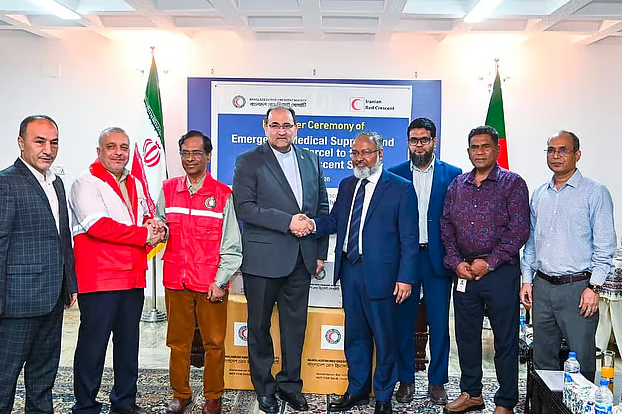
Bangladesh’s recent humanitarian assistance to the people of Iran, consisting of medicines and essential health equipment, reflects a significant example of medical diplomacy and international solidarity during a period of heightened regional instability. The initiative, announced by Bangladeshi authorities in coordination with relevant health and foreign affairs institutions, is being presented as part of Bangladesh’s broader commitment to humanitarian support and its long-standing principle of maintaining friendly relations with all nations based on mutual respect and non-interference.
The assistance package includes a range of essential medical supplies such as antibiotics, pain relief medicines, emergency treatment drugs, surgical instruments, diagnostic tools, and basic hospital consumables. In addition, the consignment reportedly contains portable medical devices including oxygen cylinders, patient monitoring systems, and emergency trauma kits designed to support frontline healthcare services. These supplies are intended to help Iranian hospitals and emergency care centers manage increasing pressure on their healthcare system, particularly in regions affected by recent disruptions linked to geopolitical tensions and internal logistical challenges.
Officials involved in the coordination of this humanitarian effort have emphasized that the initiative is purely humanitarian in nature and is not linked to any political or strategic agenda. Bangladesh has consistently maintained a foreign policy rooted in the principle of “friendship to all and malice toward none,” and this action is being framed as a continuation of that diplomatic tradition. The shipment of medical aid underscores Bangladesh’s willingness to extend support to countries facing humanitarian difficulties, regardless of political circumstances, provided such assistance aligns with international humanitarian norms.
The decision to send medical aid to Iran comes at a time when global supply chains for pharmaceuticals and medical equipment have been under strain due to ongoing regional conflicts, trade disruptions, and rising transportation costs. In several countries, including Iran, access to certain imported medicines and medical technologies has become increasingly difficult due to sanctions-related constraints and logistical barriers. Against this backdrop, Bangladesh’s contribution is seen as a meaningful gesture aimed at alleviating pressure on healthcare systems and ensuring continuity of essential medical services for affected populations.
The consignment was prepared with the involvement of Bangladesh’s pharmaceutical sector, which has grown significantly over the past two decades and now plays an important role in supplying affordable medicines domestically and internationally. Bangladeshi pharmaceutical companies have increasingly expanded their export markets across Asia, Africa, and the Middle East, gaining recognition for producing high-quality generic medicines at competitive prices. This initiative further highlights the sector’s capacity to contribute to global health needs during emergencies and humanitarian crises.
Health experts in Bangladesh have noted that the inclusion of both medicines and medical equipment is particularly important, as it addresses multiple layers of healthcare needs. While medicines are essential for treating diseases and managing infections, equipment such as diagnostic tools and emergency care devices plays a crucial role in enabling healthcare professionals to deliver timely and effective treatment. The combination of both elements in the aid package is expected to enhance the operational capacity of healthcare facilities in Iran, especially in areas experiencing shortages.
The humanitarian gesture has also been interpreted as part of Bangladesh’s broader efforts to strengthen diplomatic engagement with countries in the Middle East. Over the years, Bangladesh has maintained steady relations with Iran, particularly in areas such as trade, energy cooperation, and cultural exchange. While the scale of economic engagement between the two countries is moderate compared to Bangladesh’s ties with other major partners, both sides have expressed interest in expanding cooperation in mutually beneficial sectors. Humanitarian collaboration, such as medical assistance, adds an additional dimension to this relationship.
Foreign policy analysts suggest that such initiatives contribute to Bangladesh’s international image as a responsible and compassionate member of the global community. By participating in humanitarian assistance efforts, Bangladesh positions itself alongside other nations that contribute to global health security, particularly during times of crisis. This aligns with the growing global emphasis on health diplomacy, where countries use medical aid and expertise as tools to foster goodwill and strengthen international partnerships.
Within Bangladesh, the decision to send medical aid has generally been viewed positively, with public and professional communities recognizing the importance of humanitarian outreach. Medical professionals, in particular, have highlighted the ethical responsibility of supporting populations in distress, regardless of geographical or political boundaries. At the same time, there is recognition that such initiatives should be carefully managed to ensure that domestic healthcare needs remain adequately addressed alongside international commitments.
Logistically, the preparation and dispatch of the aid involved coordination between multiple government agencies, including the Ministry of Health and Family Welfare and the Ministry of Foreign Affairs, along with support from private pharmaceutical manufacturers and logistics providers. The process included identifying essential medical supplies, ensuring compliance with international shipping standards, and coordinating delivery mechanisms to ensure timely arrival in Iran. Such coordination reflects the growing institutional capacity of Bangladesh to participate in international humanitarian operations.
From Iran’s perspective, the receipt of medical aid is expected to provide relief to parts of its healthcare system that have been under pressure due to various internal and external challenges. Hospitals and clinics in several regions have reportedly faced shortages of essential supplies, making international assistance an important supplementary resource. While the aid from Bangladesh may not resolve all systemic issues, it contributes meaningfully to addressing immediate healthcare needs.
The broader international context also adds significance to this development. In recent years, global health crises, including pandemics and conflict-related disruptions, have highlighted the importance of cross-border cooperation in healthcare. Countries with growing pharmaceutical capacity, such as Bangladesh, are increasingly playing a role in supporting global health systems through donations, exports, and emergency assistance. This trend reflects a shift toward more interconnected and cooperative approaches to addressing health challenges.
In conclusion, Bangladesh’s provision of medicines and health equipment to the people of Iran represents a notable example of humanitarian diplomacy grounded in solidarity and international cooperation. The initiative highlights Bangladesh’s expanding pharmaceutical capabilities, its commitment to global health support, and its effort to maintain constructive relations with countries facing healthcare challenges. While the immediate impact of the assistance will be felt in Iranian medical facilities, its broader significance lies in reinforcing the principle that humanitarian needs transcend political boundaries, and that international cooperation remains essential in addressing shared global challenges.


