


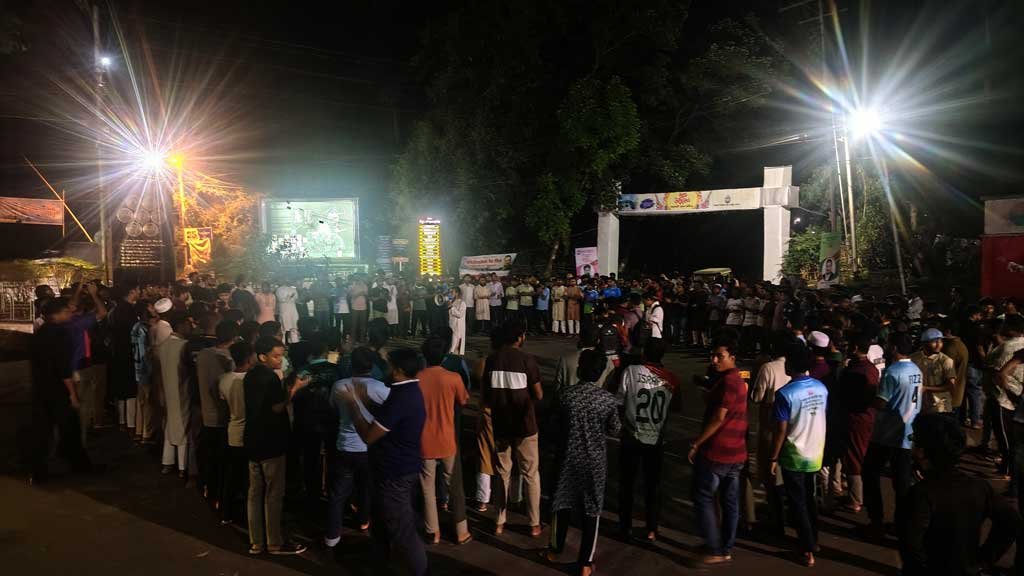
The recent clashes between student wings of major political forces—Jatiyatabadi Chhatra Dal (JCD) and Bangladesh Islami Chhatra Shibir (ICS)—in Dhaka and Chattogram highlight a renewed phase of campus-based political confrontation in Bangladesh. These incidents are not isolated; rather, they reflect a broader pattern of escalating tensions in the country’s student politics following the political transitions of recent years. This article examines the background, causes, key incidents, and implications of the clashes, with a focus on developments in Chattogram and their spillover effects into other parts of the country, including Dhaka.
Background: Student Politics in a Changing Bangladesh
Student politics in Bangladesh has historically been intertwined with national political dynamics. Organizations like Jatiyatabadi Chhatra Dal, affiliated with the Bangladesh Nationalist Party (BNP), and Bangladesh Islami Chhatra Shibir, linked to Jamaat-e-Islami, have long competed for influence on campuses.
Following the political upheaval of 2024 and subsequent changes in governance, the landscape of student politics shifted significantly. The lifting of restrictions on Islami Chhatra Shibir allowed it to re-enter campuses and expand its organizational base. In fact, Shibir achieved notable success in student union elections across major universities in 2025, strengthening its institutional presence.
This resurgence created friction with rival groups, particularly Chhatra Dal, which has also been attempting to reassert its influence. Analysts note that competition for campus control—both ideological and organizational—has intensified, often resulting in confrontations.
The Chattogram Clash: Immediate Trigger and Escalation
The most significant recent clash occurred at Chattogram Government City College in April 2026. The violence unfolded in multiple phases and was triggered by what initially appeared to be a minor dispute over graffiti.
The Graffiti Controversy
A wall on the college campus bore a slogan calling for a “campus free of student politics.” According to reports, a Chhatra Dal leader altered the message by removing the word “student” and replacing it with “gupto” (meaning “covert”).
This change was interpreted as a direct accusation against Chhatra Shibir, which has often been accused by rivals of operating clandestinely on campuses. The act quickly went viral on social media, fueling anger among Shibir activists.
First Phase of Violence
Tensions escalated rapidly. By midday, activists from both groups engaged in a confrontation on campus. Witnesses reported chase-and-counter-chase incidents and brick-throwing, forcing authorities to suspend classes and internal examinations.
Police were deployed, but the situation remained volatile.
Second Phase: Organized Confrontation
Later in the afternoon, both groups organized processions that converged near the college. This led to a second round of clashes involving sticks and brickbats.
Reports indicate that:
- At least 20 people were injured in the clashes
- Academic activities were disrupted
- Fear spread among general students, many of whom avoided the campus
In some accounts, the violence escalated further, with allegations of the use of sharp weapons and severe injuries, underscoring the intensity of the conflict.
Spread of Violence: Ripple Effects Beyond Chattogram
The Chattogram incident did not remain localized. It triggered retaliatory actions and heightened tensions across other educational institutions.
Ishwardi Incident
Within days, a related clash occurred at Ishwardi Government College. Supporters of both organizations gathered for pre-announced programs linked to the earlier Chattogram violence. The situation escalated into another confrontation involving chase-and-counter-chase tactics and even reports of crude bomb explosions.
At least five individuals were injured, demonstrating how quickly campus violence can spread across regions.
Dhaka and Other Campuses
Although the most dramatic clashes occurred in Chattogram, tensions have also been reported in Dhaka and other cities. Student organizations have held rallies, issued statements, and mobilized supporters, raising concerns about potential violence in major educational institutions, including those in the capital.
Dhaka, as the centre of political activity, often experiences spillover effects from such incidents. While large-scale clashes similar to Chattogram have not always materialized, the atmosphere remains tense, with increased police vigilance and administrative caution on campuses.
Underlying Causes of the Conflict
The recent clashes are rooted in multiple structural and political factors:
- Competition for Campus Control
Control over campuses is a key objective for student organizations, as it provides:
- Recruitment opportunities
- Political visibility
- Influence over student bodies
The resurgence of Chhatra Shibir and the reorganization of Chhatra Dal have intensified this competition.
- Ideological Differences
The ideological divide between secular-nationalist and Islamist student politics continues to fuel tensions. While Chhatra Dal positions itself within a nationalist framework, Shibir promotes an Islamic political orientation, leading to frequent ideological clashes.
- Legacy of Violence in Student Politics
Campus violence is not new in Bangladesh. Historical patterns show that student wings often engage in confrontations, sometimes involving weapons. Past incidents, including clashes in Khulna and other regions, have resulted in dozens of injuries and prolonged campus closures.
This legacy creates a environment where violence becomes normalized.
- Social Media Amplification
The role of social media in the recent clashes is particularly notable. The viral spread of the graffiti alteration video significantly escalated tensions. It often leads to:
- Rapid mobilization
- Misinformation
- Heightened emotional reactions
Impact on Education and Campus Life
The consequences of these clashes extend beyond immediate injuries.
Academic Disruption
- Classes and exams were suspended in affected institutions
- Students faced uncertainty and lack of security
- Long-term academic schedules risk being disrupted
Psychological Impact
General students, who are not affiliated with political groups, often bear the brunt of such conflicts. Many experience:
- Fear of attending classes
- Anxiety about personal safety
- Distrust toward campus authorities
Institutional Reputation
Repeated incidents of violence damage the reputation of educational institutions, both domestically and internationally. They also raise questions about governance and administrative capacity.
Political and Social Reactions
Both organizations have blamed each other for initiating the violence.
- Chhatra Dal leaders claim they were attacked without provocation and advocate for a “Shibir-free campus.”
- Chhatra Shibir representatives accuse Chhatra Dal of orchestrating the attacks and promise to present evidence in press briefings.
Meanwhile, law enforcement agencies have increased deployment in affected areas, and college authorities have attempted to restore order.
Civil society and education analysts have expressed concern over the continuation of violent student politics, calling for reforms to ensure campuses remain safe spaces for learning.
Broader Implications
The recent clashes have several important implications:
- Risk of Nationwide Escalation
The rapid spread of violence from Chattogram to other places indicates the potential for nationwide সংঘর্ষ if tensions are not managed effectively.
- Political Polarization
Student politics often mirrors national political divisions. Clashes between these groups may deepen polarization in the broader political landscape.
- Challenges for Governance
The government and educational authorities face increasing pressure to:
- Ensure campus security
- Regulate student political activities
- Prevent further violence
Conclusion
The recent clashes between Chhatra Dal and Chhatra Shibir in Chattogram—and their ripple effects in Dhaka and beyond—underscore the deep crisis within Bangladesh’s student political culture. What began as a dispute over a piece of graffiti quickly escalated into violent clashes, reflecting longstanding rivalries, ideological divides, and competition for dominance.
While law enforcement measures may provide temporary stability, the underlying causes—political polarization, and the normalization of campus violence—remain unresolved. Without meaningful reforms and a commitment from political actors to reduce clashes, such incidents are likely to recur.
Ultimately, the future of Bangladesh’s educational institutions depends on whether stakeholders can transform campuses from arenas of political clashes into spaces of intellectual growth and democratic engagement.


