


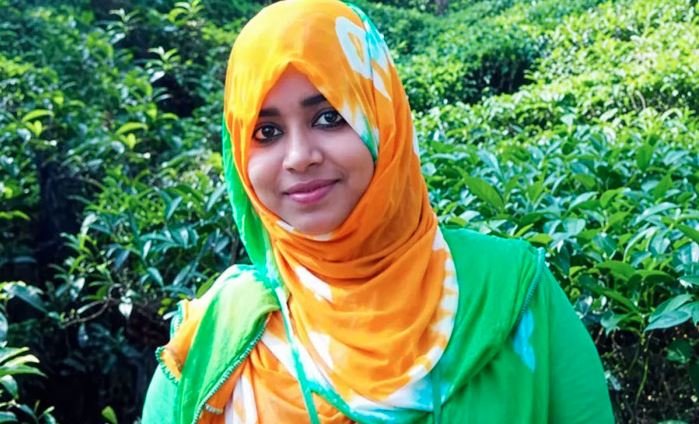
The murder of Sohagi Jahan Tonu remains one of the most painful and unresolved criminal cases in Bangladesh’s recent history. For a decade, the case symbolized impunity, institutional failure, and the long struggle of a family seeking justice. The recent arrest of a suspect after ten years has reignited public debate, bringing both renewed hope and serious questions about the investigation.
This article examines the background of the Tonu murder, the long and controversial investigation process, and the current state of the case following the first arrest in 2026.
The Incident: A Crime That Shocked the Nation
The case centers on Sohagi Jahan Tonu, a 19-year-old student of Comilla Victoria Government College and a theater activist.
On March 20, 2016, Tonu went missing while on her way to a private tutor. Later that night, her body was discovered in a forested area inside Cumilla Cantonment. The location immediately raised serious concerns, as cantonments are considered highly secure zones.
The circumstances surrounding her death quickly sparked national outrage. Early reports suggested inconsistencies in the investigation, and public suspicion grew rapidly.
Subsequent forensic findings confirmed that Tonu had been raped before being murdered. DNA evidence indicated the involvement of multiple perpetrators. From the outset, the case became more than a criminal investigation—it turned into a national symbol of violence against women and the failure to ensure justice.
A Controversial Investigation
The investigation into Tonu’s murder has been widely criticized for its inconsistencies and delays.
Conflicting Autopsy Reports
The first autopsy report controversially stated that there was no evidence of rape or murder. This conclusion triggered widespread protests and disbelief. Following public pressure, a second autopsy was conducted, which contradicted the initial findings and confirmed sexual assault.
This contradiction severely damaged public trust in the investigation and raised questions about the professionalism and transparency of the authorities involved.
Multiple Agencies, No Resolution
Over the years, the case was handled by several investigative bodies, including:
- Local police
- Detective Branch (DB)
- Criminal Investigation Department (CID)
- Police Bureau of Investigation (PBI)
Despite interrogating numerous individuals—including members of the military—no arrests were made for nearly a decade.
The lack of visible progress deepened frustration among the victim’s family and the general public. Many began to believe that the case was being deliberately delayed or mishandled.
Nationwide Protests and Public Movement
Tonu’s murder sparked protests across Bangladesh on an unprecedented scale.
Students, activists, and ordinary citizens organized demonstrations in cities such as Dhaka and Chattogram. The slogan “Justice for Tonu” became a powerful rallying cry.
The protests highlighted broader issues, including:
- Violence against women
- Lack of accountability
- Weaknesses in the justice system
Social media played a crucial role in sustaining the movement. Even as official progress stalled, public memory of the case remained alive through online activism and annual commemorations.
A Decade Without Justice
As time passed, the case gradually faded from mainstream attention, but it was never forgotten.
Each year, Tonu’s family and supporters marked the anniversary of her death, demanding justice. However, the investigation showed little progress.
The transfer of the case to the Police Bureau of Investigation in 2020 raised some expectations, but years passed without a breakthrough. For many observers, the case became an example of how high-profile investigations in Bangladesh can remain unresolved for extended periods.
This prolonged delay reinforced a sense of mistrust toward institutions responsible for law enforcement and justice.
First Arrest After 10 Years
In April 2026, a major development occurred: the first arrest in the Tonu murder case.
Investigators from the Police Bureau of Investigation arrested a former army member named Hafizur Rahman. He is the first individual to be taken into custody in connection with the crime.
Details of the Arrest
- The suspect was detained from the Keraniganj area in Dhaka
- A court granted remand for interrogation
- Authorities later sent him to jail as the investigation continued
This arrest marked a significant turning point in a case that had seen little progress for ten years.
Forensic Evidence and DNA Testing
Investigators are now focusing heavily on forensic analysis. DNA samples have been collected from the accused and are being matched with evidence gathered earlier.
This scientific approach is seen as a crucial step toward uncovering the truth. Authorities have indicated that additional suspects may be identified based on the results of these tests.
Public Reaction: Hope and Skepticism
The arrest has generated mixed reactions across Bangladesh.
Renewed Hope
For Tonu’s family, the development offers a long-awaited sense of hope. After years of অপেক্ষা (waiting), there is now a possibility that justice may finally be served.
Civil society groups have also welcomed the arrest, viewing it as progress in a case that once seemed abandoned.
Lingering Questions
At the same time, many questions remain:
- Why did it take ten years to make the first arrest?
- Were there failures or external pressures that delayed the investigation?
- Could justice have been achieved earlier?
These concerns continue to shape public discussion and highlight the need for accountability.
Broader Implications
The Tonu murder case has far-reaching implications for Bangladesh.
Trust in Institutions
The long delay has weakened public confidence in law enforcement and judicial systems. The recent arrest may help restore trust, but only if the case proceeds transparently and efficiently.
Women’s Safety
The case remains a powerful reminder of the risks faced by women. It continues to influence discussions on gender-based violence and the need for stronger protections.
Accountability
Because the crime occurred within a cantonment, the case has always carried sensitive implications. The arrest of a former military member underscores the importance of accountability, regardless of institutional affiliation.
Current Status of the Case
At present, the investigation has entered a critical phase.
- One suspect has been arrested
- DNA testing is ongoing
- Investigators are pursuing additional leads
Authorities have suggested that more arrests may follow, depending on forensic results and further التحقيق (investigation).
The coming months will be crucial in determining whether the case finally reaches a resolution.
Conclusion
The murder of Sohagi Jahan Tonu is not just a criminal case—it is a reflection of Bangladesh’s struggle with justice, accountability, and human rights.
For ten years, the case stood as a symbol of unresolved grief and institutional failure. The recent arrest marks an important breakthrough, but it is only the beginning of a new chapter.
True justice will depend on a thorough and transparent investigation, the identification of all those responsible, and a fair judicial process.
For the people of Bangladesh, the hope is clear: that Tonu’s case will finally be resolved—and that no such tragedy will remain unanswered for another decade.


