


Fuel shortages and power cuts have intensified since early 2026, with long queues at petrol pumps and widespread blackouts. 71 of Bangladesh’s 143 power plants are either idle or operating below capacity due to shortages of gas, coal, and furnace oil. The daily shortfall has reached 2,180 MW, with projections of up to 3,000 MW in peak summer. Global disruptions, particularly the US–Iran conflict and Middle East instability, have worsened supply chains, raising import costs and reducing availability.
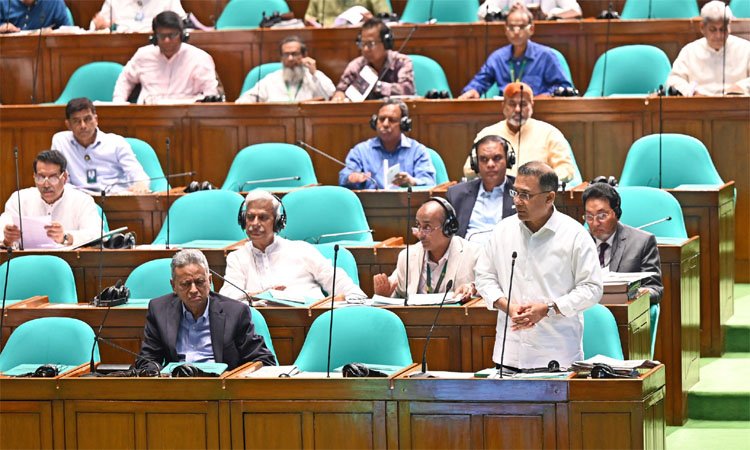
Bangladesh’s government and opposition parties have agreed to form a rare cross-party parliamentary committee to address the worsening fuel and energy crisis. The 10-member body, announced on April 23, 2026, will include equal representation from both sides and is tasked with recommending solutions to stabilize supply, curb black-market activities, and ease public suffering.
The Joint Committee: Composition and Mandate
- Structure: 10 members, five from the ruling party and five from the opposition.
- Chair: Energy Minister Iqbal Hasan Mahmud Tuku.
- Government Members: State Minister for Power and Energy Anindya Islam Amit, ABM Ashraf Uddin Nizan, Moinul Islam Khan, and Miah Nuruddin Ahmad Apu.
- Opposition Members: Jamaat-e-Islami MPs Saiful Alam, Abdul Baten, and Nurul Islam; National Citizen Party MP Hasnat Abdullah; and Khelafat Majlis MP Mohammed Abul Hasan.
Mandate:
- Recommend practical solutions to stabilize fuel supply.
- Address black-market manipulation and syndicate activities.
- Ensure fair distribution of electricity, especially to rural areas disproportionately affected.
- Serve as a forum for bipartisan dialogue in parliament.
Prime Minister Tarique Rahman described the crisis as a global challenge, stressing the need for cooperation. Opposition leader Shafiqur Rahman welcomed the initiative, calling it a positive step forward and urging parliament to become the central forum for resolving national issues.
Speaker Hafiz Uddin Ahmed expressed optimism that bipartisan collaboration could set a precedent for tackling other national challenges.
Challenges Ahead
Officials argue the crisis is partly “artificial,” created by hoarding and syndicates, and insist fuel stocks remain adequate.
Opposition demands stricter action against dishonest traders and more transparency in reporting shortages.
Bangladesh’s reliance on imported electricity, such as from India’s Adani Power, makes the grid vulnerable to external shocks.
The formation of this joint committee is a critical test of political will in Bangladesh. If successful, it could not only ease the immediate fuel crisis but also set a precedent for collaborative governance in a country often marked by political polarization. Yet, its effectiveness will depend on whether both sides can move beyond rhetoric and implement concrete measures that address both domestic inefficiencies and global supply challenges.
Would you like me to expand this into a policy roadmap—detailing short-term, medium-term, and long-term measures the committee could realistically adopt to stabilize Bangladesh’s energy sector?


