


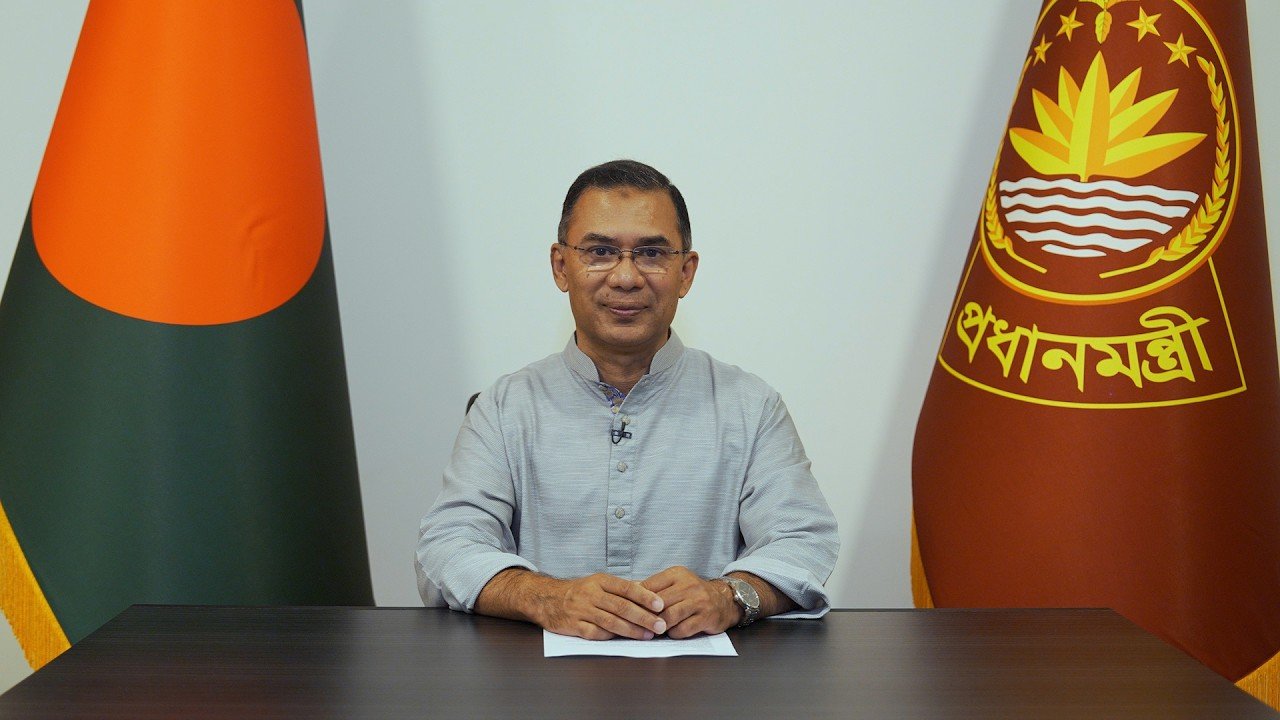
The first two months of a newly formed government are often considered a defining period that sets the tone for its broader political and administrative direction. In the case of Bangladesh’s new government, this initial phase has been marked by an ambitious and wide-ranging reform agenda, highlighted by what officials describe as “60 remarkable initiatives” undertaken within just sixty days of assuming office. These initiatives, covering governance, the economy, social welfare, infrastructure, and institutional reform, collectively reflect an attempt to demonstrate urgency, responsiveness, and a commitment to visible change. While such a rapid pace of activity is not without challenges, it signals a deliberate effort by the administration to establish credibility and public confidence during a crucial early stage.
One of the most prominent areas of focus during this period has been governance reform and administrative restructuring. The government has introduced measures aimed at improving transparency, accountability, and efficiency within the public sector. These include directives to streamline bureaucratic procedures, reduce delays in service delivery, and introduce digital monitoring systems for government projects.
The emphasis on digitization has been particularly significant, with efforts to expand e-governance platforms that allow citizens to access essential services online, thereby reducing opportunities for corruption and intermediaries. By prioritizing administrative reform, the government appears to be addressing long-standing concerns about bureaucratic inefficiency and lack of accountability.
Economic management has also been at the forefront of the government’s early initiatives. Faced with global economic uncertainties and domestic challenges such as inflation and currency volatility, the administration has taken steps to stabilize the economy and restore investor confidence. These measures include policy adjustments to manage foreign exchange reserves, incentives for export-oriented industries, and initiatives to attract foreign direct investment. The government has also focused on strengthening the banking sector through stricter regulatory oversight and efforts to address non-performing loans. Such actions are intended to create a more resilient financial system capable of supporting sustainable economic growth.
At the same time, the government has introduced several initiatives aimed at supporting vulnerable populations and expanding social safety nets. Recognizing the impact of rising living costs on low-income households, it has expanded subsidy programs and introduced targeted assistance schemes for marginalized groups. Programs focusing on food security, healthcare access, and housing support have been implemented or reinforced during this period. These efforts reflect an understanding that economic reforms must be accompanied by social protection measures to ensure inclusive development and prevent widening inequality.
Infrastructure development has been another key pillar of the government’s early achievements. A number of large-scale projects have been accelerated, including road and highway expansions, railway upgrades, and improvements in port facilities. The government has also prioritized energy infrastructure, with initiatives aimed at increasing power generation capacity and promoting renewable energy sources. These projects are not only intended to address immediate infrastructure gaps but also to lay the foundation for long-term economic growth by improving connectivity and reducing logistical costs. The focus on infrastructure underscores the government’s commitment to transforming Bangladesh into a more competitive and investment-friendly economy.
Education and human capital development have also featured prominently among the 60 initiatives. The government has introduced reforms aimed at modernizing the education system, including curriculum updates, teacher training programs, and the integration of digital technologies in classrooms. Special attention has been given to technical and vocational education, with the goal of aligning workforce skills with the demands of a rapidly evolving job market. Scholarships and financial assistance programs have been expanded to support students from disadvantaged backgrounds, reflecting a broader commitment to equitable access to education.
Healthcare reform represents another important dimension of the government’s early agenda. Initiatives in this sector have focused on improving access to quality healthcare services, particularly in rural and underserved areas. The government has announced plans to upgrade hospital facilities, recruit additional medical personnel, and expand telemedicine services. Preventive healthcare measures, including vaccination campaigns and public health awareness programs, have also been emphasized. These efforts aim to strengthen the country’s healthcare system and enhance its capacity to respond to both routine needs and emergency situations.
The government has also taken steps to address environmental challenges and promote sustainable development. Recognizing the country’s vulnerability to climate change, it has launched initiatives aimed at enhancing disaster preparedness, protecting river ecosystems, and promoting green technologies. Efforts to reduce pollution, particularly in urban areas, have been intensified through stricter regulations and enforcement mechanisms. These actions reflect a growing awareness of the need to balance economic growth with environmental sustainability.
Law and order, along with judicial reform, have been another area of focus. The government has introduced measures to strengthen policing, improve investigation processes, and expedite judicial proceedings. Efforts to combat corruption and organized crime have been highlighted as key priorities, with several high-profile operations and policy changes aimed at restoring public confidence in the justice system. By addressing these issues early in its tenure, the government is attempting to create a more stable and secure environment for citizens and businesses alike.
In addition to domestic initiatives, the government has also been active on the international stage. Diplomatic efforts have been undertaken to strengthen bilateral and multilateral relationships, attract foreign investment, and enhance the country’s global standing. Trade agreements, development partnerships, and participation in international forums have been pursued as part of a broader strategy to position Bangladesh as a proactive and reliable global partner. These efforts complement the domestic reform agenda by creating opportunities for economic and technological collaboration.
The implementation of these 60 initiatives within such a short timeframe has not been without challenges. Questions have been raised about the sustainability and depth of some actions, as well as the government’s capacity to effectively implement such a wide-ranging agenda. Critics argue that while the quantity of initiatives is impressive, the focus should also be on ensuring quality, long-term impact, and institutionalization of reforms. The government, however, maintains that these early steps are part of a broader roadmap that will be refined and expanded over time.
Public response to the government’s performance during its first two months has been mixed but generally attentive. Many citizens have welcomed the visible activity and expressed hope that the initiatives will lead to tangible improvements in their daily lives. At the same time, there is an awareness that meaningful change requires sustained effort and consistent implementation. The government’s ability to maintain momentum and deliver on its promises will be crucial in shaping public perception in the coming months and years.
In conclusion, the first two months of the new government in Bangladesh have been characterized by an ambitious and wide-ranging set of 60 initiatives that aim to address key challenges and lay the groundwork for future development. From governance reform and economic stabilization to social welfare, infrastructure, and environmental sustainability, these actions reflect a comprehensive approach to governance. While the true impact of these initiatives will only become clear over time, their scale and scope demonstrate a clear intent to act decisively and set a strong foundation for the administration’s tenure. The coming months will be critical in determining whether these early efforts can be translated into lasting progress and meaningful change for the people of Bangladesh.


