


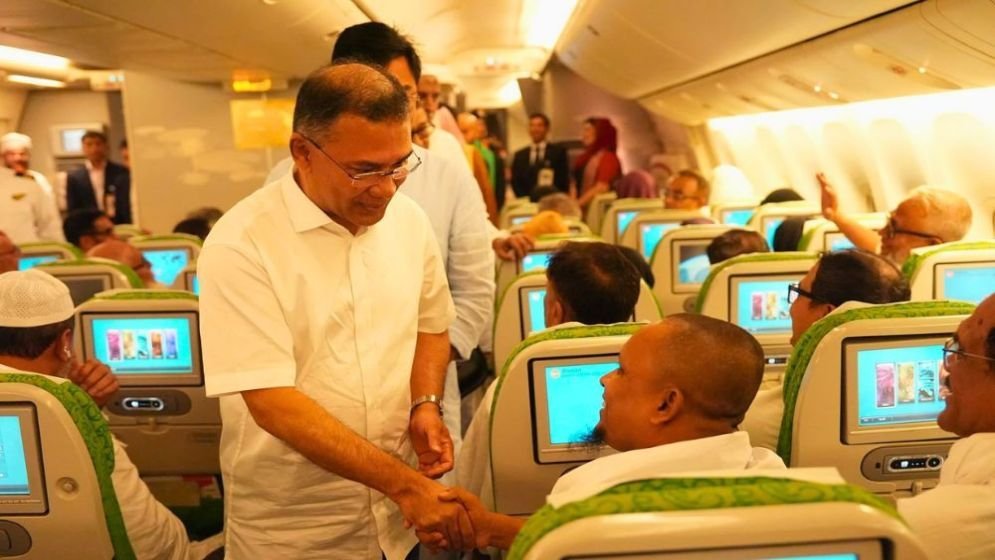
The beginning of Hajj flights in Bangladesh each year marks far more than a logistical operation—it signals the start of a deeply spiritual journey for tens of thousands of Muslims preparing to fulfill one of the five pillars of Islam. In 2026, this sacred journey officially commenced in late April, as the first group of Bangladeshi pilgrims departed from Dhaka for Saudi Arabia, carrying with them hopes, prayers, and a sense of lifelong fulfillment.
A Sacred Departure: The First Hajj Flight
The inaugural Hajj flight of 2026 departed from Hazrat Shahjalal International Airport, the country’s main aviation hub. From early morning, the airport premises were filled with pilgrims dressed in simple attire, accompanied by family members who came to bid them farewell.
For many, it was an emotional moment. Tears, prayers, and embraces defined the atmosphere. Pilgrims recited talbiyah—“Labbaik Allahumma Labbaik”—signifying their readiness to respond to the call of Allah.
Government officials, representatives of the Ministry of Religious Affairs, and aviation authorities were present to oversee the departure. Special arrangements were made to ensure a smooth and dignified process, including dedicated counters, priority immigration services, and medical assistance.
The Scale of the Operation
Hajj is one of the largest annual religious gatherings in the world, centered in Mecca and surrounding holy sites. Each year, Bangladesh sends a significant number of pilgrims to Saudi Arabia.
In 2026, approximately 127,000 Bangladeshi pilgrims are expected to perform Hajj. This includes both government-managed and privately arranged passengers. The transportation of such a large number of people requires meticulous planning and coordination between multiple agencies.
Flights are operated primarily by Biman Bangladesh Airlines and Saudia. Together, they conduct hundreds of flights over several weeks to transport pilgrims safely to Jeddah and Medina.
The outbound phase of Hajj flights typically continues until the end of May, while return flights begin after the completion of the pilgrimage rituals in June.
Preparations and Government Initiatives
The government of Bangladesh undertakes extensive preparations each year to facilitate Hajj pilgrims. The Ministry of Religious Affairs plays a central role in coordinating logistics, training, and support services.
Pre-Hajj Training
Pilgrims attend orientation sessions where they learn about the rituals of Hajj, travel guidelines, health precautions, and cultural expectations in Saudi Arabia. These sessions aim to ensure that pilgrims can perform their religious duties correctly and confidently.
Digital Management System
In recent years, Bangladesh has introduced digital systems to manage Hajj operations more efficiently. Pilgrims receive electronic ID cards, and their information is stored in centralized databases to streamline processes such as visa issuance, accommodation allocation, and transportation.
Health and Safety Measures
Medical teams accompany pilgrims, and healthcare facilities are arranged both in Bangladesh and in Saudi Arabia. Vaccinations, including those required by Saudi authorities, are mandatory.
Dedicated Hajj Camps
Before departure, pilgrims gather at designated Hajj camps, where they complete final formalities. These camps provide accommodation, meals, and guidance, ensuring that pilgrims are fully prepared before boarding their flights.
The Role of Airlines
The success of Hajj operations depends heavily on aviation logistics. Biman Bangladesh Airlines plays a crucial role, operating a large portion of the flights.
Special Hajj flights are scheduled to accommodate the surge in passengers. Aircraft are configured to maximize capacity while maintaining safety and comfort. Airline staff receive specialized training to handle the unique needs of pilgrims, many of whom are elderly.
Saudia also operates flights, providing additional capacity and ensuring timely transportation.
The coordination between airlines, airport authorities, and immigration services is essential to avoid delays and ensure a smooth travel experience.
Emotional and Spiritual Significance
For the pilgrims, the journey to Hajj is often the culmination of years—sometimes decades—of preparation. Many save money over a lifetime to afford the trip.
The departure scene at the airport reflects this emotional depth. Families gather to say goodbye, offering prayers for a safe journey and successful completion of the pilgrimage. For some, it may be the last time they see their loved ones, given the advanced age of many pilgrims.
The act of boarding the Hajj flight is itself symbolic. It represents leaving behind worldly concerns and embarking on a spiritual quest. The simplicity of ihram clothing, worn by male pilgrims, underscores the values of equality and humility.


